Build practical home design experience through small client projects, mock briefs, site exposure, software practice, and a focused portfolio. Learn when courses, tools, or mentoring are worth paying for.

Build credible home design experience by completing small, realistic briefs, documenting your decisions, and getting supervised exposure to client or site workflows. The fastest route is usually a mix of self-directed portfolio projects and an assistant, showroom, staging, volunteer, or internship opportunity. Paid courses, design software subscriptions, and mentoring can help when they fill a specific gap in your skills or feedback process. Attractive renderings matter, but employers and clients also want to see how you handle layout, materials, budgets, revisions, and practical limits. You do not need to claim full responsibility for every project; clear, honest case studies are more persuasive. Start with the experience you can create now, then invest only when a tool, course, or mentor supports your next career step.
At a Glance
- Complete small room briefs with real constraints such as household needs, measurements, budgets, and existing conditions.
- Show your process in a portfolio: layouts, mood boards, specifications, revisions, and the reasoning behind decisions.
- Seek supervised exposure through studios, showrooms, stagers, retailers, contractors, or volunteer projects to learn real workflows.
| Experience Route | Cost Commitment | Feedback and Exposure | Portfolio Value |
|---|---|---|---|
| Self-directed redesigns | Usually low; optional software or materials costs | Limited unless you arrange critiques | Strong for showing process, but needs honest project labels |
| Course or certificate | Paid; fees vary by provider and location | Structured teaching and possible feedback | Useful when assignments create complete, reviewable work |
| Internship or showroom role | Requirements and compensation vary | Direct exposure to clients, products, suppliers, and workflows | Strong for demonstrating practical context |
| Design assistant role | Depends on the arrangement and local market | Potentially high access to briefs, revisions, and site activity | Valuable when your contribution is documented accurately |
Start With Projects That Show Real Design Judgment
A useful practice project is more than a beautiful room image. Build a brief around a real room or a clearly defined hypothetical space, then include a household need, a budget limit, and practical constraints. For example, design for better circulation, storage, accessibility, shared use, or a fixed furniture footprint. Constraints make a project credible because they show how you make trade-offs rather than simply collecting attractive ideas.
Build a Practice Brief Around a Realistic Room, Budget, and Household Need
Write a short client brief before selecting colors or finishes. Define who uses the room, what is not working, what must stay, and what decisions are still open. Include the existing-site conditions you can observe, such as awkward measurements, limited light, or fixed features. Avoid presenting imagined outcomes as completed work. If it is a concept project, say so plainly.
Document the Full Process, Not Only the Final Rendering
A strong interior design portfolio can include measurements, space plans, furniture layouts, mood boards, finish selections, elevations, material options, and revision notes. Explain why one layout was chosen over another. If a budget or lead-time concern changed the recommendation, show that decision. Process evidence helps a reviewer see your judgment even when the project was small.
Use Permissions and Clear Labels When Showing Work Completed for Others
Ask permission before displaying another person’s home, photographs, plans, or identifying details. Clearly label whether you led the concept, assisted with sourcing, prepared presentation material, or observed site activity. This protects trust and prevents a portfolio from overstating your responsibility.
Compare the Best Ways to Gain Credible Experience
The best route depends on what you lack right now: finished case studies, technical foundations, feedback, or real-world exposure. Do not buy training or tools simply because they seem professional. Choose the option that gives you the next missing piece.
Self-Directed Room Redesigns: Low Cost, Limited External Feedback
Self-led projects are practical when you need portfolio material quickly. They let you practice space planning, material selection, and visual presentation at your own pace. Their limitation is feedback: without a reviewer, it is easy to miss usability, proportion, budget, or sourcing issues. Consider asking a working designer or experienced peer for a focused portfolio review rather than collecting vague opinions.
Courses and Certificates: When Structured Teaching Is Worth the Fee
A portfolio course or interior design program may be worth paying for when you need a sequence for learning layouts, presentations, specifications, and client briefs. Look beyond the credential. Review the syllabus, assignment examples, feedback format, instructor access, and whether the work can become a portfolio case study. Course fees and outcomes vary, and a credential alone cannot guarantee employment or clients.
Internships, Showroom Roles, and Studio Assistant Work: What Practical Exposure Adds
These roles can show you how selections, supplier communication, client requests, and revisions happen outside a classroom. A showroom or retail position may build product knowledge and presentation skills. An assistant or internship role may expose you to briefs, documentation, and coordination. Ask what tasks you would actually support instead of assuming the job title tells the full story.
Mentoring and Portfolio Reviews: When Targeted Feedback Can Accelerate Progress
Professional mentoring can be useful after you have work to review and specific questions to answer. A good session may help you identify weak case studies, unclear labels, missing technical information, or an unfocused job target. Compare mentor availability, relevant experience, review scope, and expected deliverables before paying for coaching.
Build Core Skills Employers and Clients Can See
Home design work often connects creative choices with practical coordination. Your portfolio should show that you can think through both sides. You do not need to present yourself as an architect, engineer, or contractor to demonstrate organized design thinking.
Space Planning, Measurements, and Functional Layouts
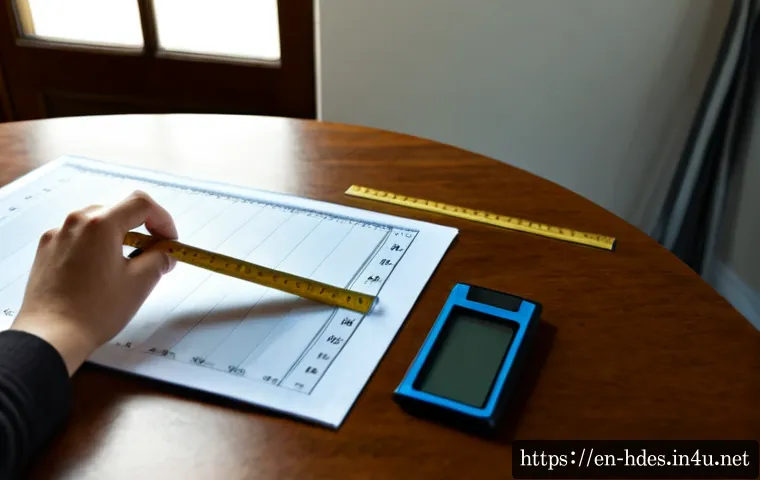
Practice measuring rooms carefully and creating layouts that support movement, furniture use, and daily routines. Show alternatives when a room could work in more than one way. A layout is stronger when you explain the functional reason behind it, not just the visual effect.
Mood Boards, Finishes, Sourcing, and Specification Sheets
Use mood boards to communicate direction, then add enough detail to show how finishes and furnishings relate. A simple specification sheet can record item type, finish, intended location, and selection notes. This makes your work look more like a design presentation and less like an inspiration collection.
Design Software, Presentation Skills, and Revision Management
Home design software can help create layouts, elevations, renderings, and material options. It is useful when the jobs you want require those outputs. However, software output alone does not prove project-management skill. Keep revision notes and show how feedback changed a plan. Before subscribing, compare software features with the deliverables requested in entry-level roles or by potential clients.
Budget Awareness, Supplier Communication, and Project Boundaries
Include budget awareness in your recommendations, even when exact pricing is unavailable. Note where a selection could involve lead times, alternatives, or supplier confirmation. Learn to separate decorative advice from work that may require permits or qualified architects, engineers, contractors, or other professionals.
Get Real-World Exposure Without Misrepresenting Your Role

Real exposure does not always begin with a formal design job. The key is to learn from genuine workflows while describing your role accurately. Small contributions can still become meaningful evidence of reliability and practical awareness.
Assist Local Designers, Home Stagers, Retailers, and Renovation Teams
Look for opportunities to assist with presentation preparation, product research, sample organization, client-ready boards, or general coordination. Retail and staging environments can also reveal how people respond to materials, furniture, and visual displays. Keep a record of what you did, what you observed, and what you were not responsible for.
Shadow Site Visits and Learn How Design Decisions Change on Site
Site conditions can change a plan. Existing dimensions, building rules, lead times, and coordination needs may affect selections or layouts. Shadowing supervised visits can help you understand why a design evolves after the first presentation. Do not give structural, electrical, plumbing, code-related, or permit advice outside your qualifications and local requirements.
Turn Volunteer or Personal Work Into Honest Portfolio Case Studies
For a volunteer, friend, or personal project, state the project type and your actual contribution. Include the original problem, design approach, key revisions, and final deliverables. If the work was never installed, call it a proposed concept. Honest wording is far more valuable than inflated claims.
Avoid Experience-Building Mistakes That Hurt Your Portfolio
Designing Only for Aesthetics and Ignoring Budget or Usability
A polished image cannot replace a workable plan. Include practical details such as circulation, storage, material suitability, and alternatives when a selection is unavailable or unsuitable.
Using Copied Concepts, Unlicensed Images, or Misleading Project Claims
Use your own work or material you have permission to display. Credit references where appropriate, but do not present another designer’s concept as your own. Never imply that you managed construction, client communication, or technical approvals if you did not.
Giving Regulated Construction Advice Outside Your Qualifications
Rules about licensing, protected titles, permits, insurance, and scope of work vary by country, state, province, and local authority. Confirm local boundaries before offering services involving regulated construction decisions.
Paying for Expensive Tools Before Identifying the Job Requirements
Start with the output you need to create: a layout, a presentation, a rendering, or a specification sheet. Then decide whether a software subscription, portfolio course, or mentor can help you produce it. This keeps spending connected to a clear career purpose.
Selection Criteria and Comparison Summary
Choose self-led projects if you need case studies now and can create disciplined briefs. Choose a course if you need foundations, deadlines, and informed feedback. Choose supervised work if your biggest gap is exposure to clients, suppliers, revisions, or site workflows. Before spending, check the required deliverables, quality of feedback, time commitment, portfolio ownership, and whether the option matches your target role. Compare software features, course syllabi, and mentor availability on the relevant provider pages before paying.
Conclusion
Real home design experience is built through repeated decisions, not one impressive rendering. Begin with a manageable room brief, document each step, and seek feedback that improves your next project. As your portfolio develops, add supervised experience that shows you understand how design changes in real settings. Spend on software, training, or mentoring only when it supports a specific skill or work opportunity.
Useful Information to Keep in Mind
Keep a project log: Save sketches, measurements, revisions, supplier notes, and presentation files. Build a focused portfolio: A few well-explained projects are easier to review than many unstructured images. Match the target role: A showroom role, junior studio position, freelance support task, and course assignment may require different samples of work.
Important Notes
Requirements for professional titles, permits, insurance, and regulated design or construction work vary locally. Confirm the scope you may offer with the relevant local authority or qualified professional. Training, software, mentoring, and portfolio quality can improve readiness, but none can guarantee a job offer, client work, or a particular income.
Frequently Asked Questions
Q1. Can I build a home design portfolio without a formal interior design degree?
A1. Yes. You can build a portfolio through self-directed briefs, personal or volunteer projects, coursework, and supervised assistance. Make the work credible by showing the process and labeling your role accurately. Local rules may still affect which services or titles you can use.
Q2. Is it worth paying for home design software when I am just starting out?
A2. It can be worthwhile if the software helps you create the layouts, elevations, renderings, or presentations required for your intended role. If you are still testing your interest, first identify the outputs you need and compare feature access, learning support, and subscription terms.
Q3. What kind of experience do interior design employers value most for entry-level roles?
A3. Entry-level employers may value evidence that you can interpret a brief, create functional layouts, present material options, handle revisions, and work within practical limits. Supervised exposure to clients, suppliers, showrooms, studios, or site workflows can add context that finished visuals alone may not show.