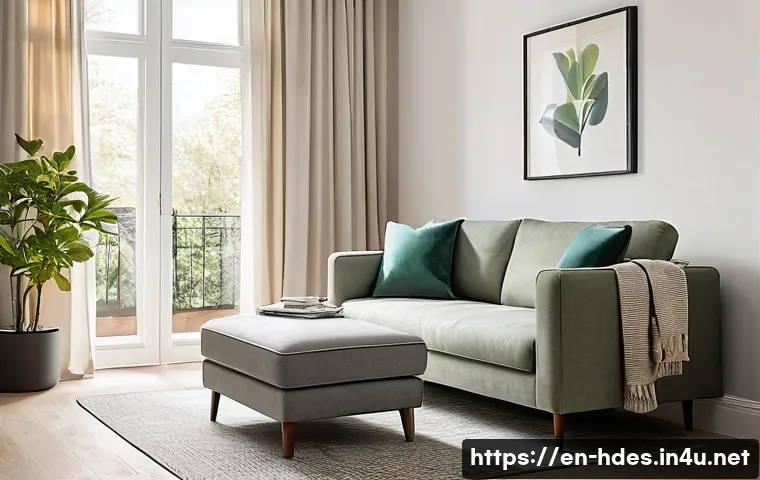
Maximizing your home’s interior space is more than just a trend—it’s a smart way to enhance comfort and functionality without expanding your footprint.
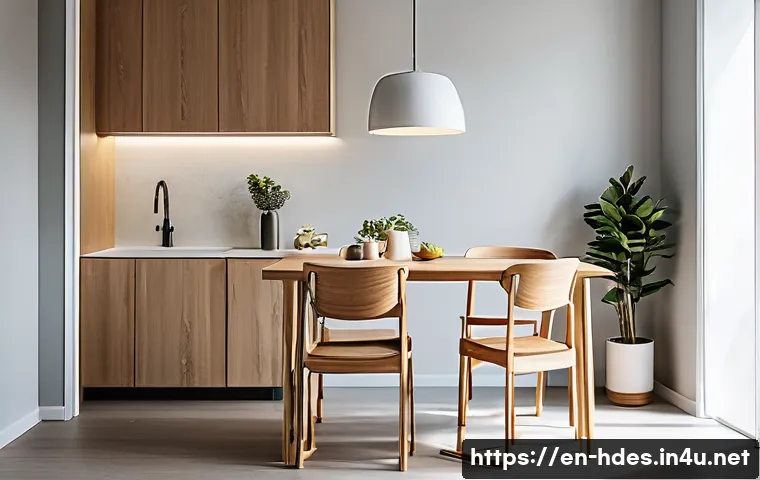
Whether you’re living in a cozy apartment or a spacious house, clever design strategies can transform every nook into a practical area. From multi-purpose furniture to creative storage solutions, these ideas help you live more efficiently and stylishly.
I’ve tried some of these hacks myself, and the difference they make is truly impressive. Ready to unlock the full potential of your living space? Let’s dive into the details below and explore how you can make the most of every corner!
Smart Furniture Choices That Save Space
Multi-Functional Pieces That Do Double Duty
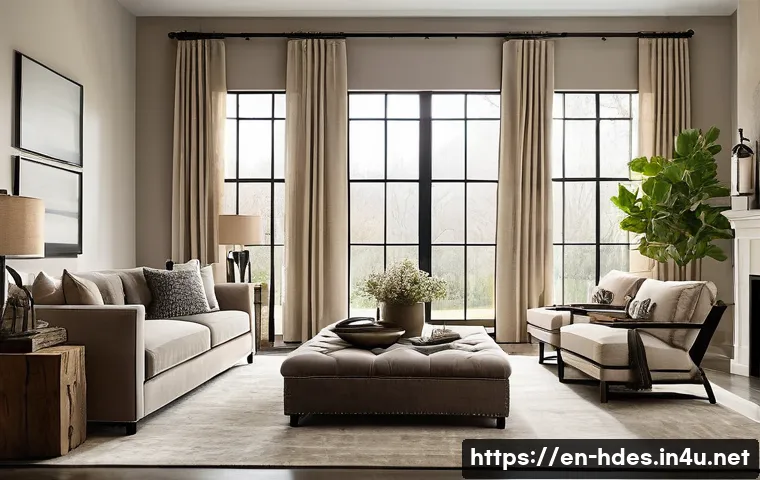
Choosing furniture that serves more than one purpose can completely change how you use your space. For example, a sofa bed isn’t just for guests; it can be your daily lounging spot and a bed at night, making it perfect for small apartments or studios.
I’ve found that ottomans with hidden storage are lifesavers too—they act as footrests, extra seating, and secret compartments for blankets or magazines.
When shopping, always look for items designed with versatility in mind. These pieces not only reduce clutter but also give your room a cleaner, more streamlined look.
Foldable and Stackable Options for Flexibility
Foldable chairs and tables are brilliant when you need to switch up your space quickly. I remember how my tiny dining area felt cramped until I got a foldable dining set.
Now, I fold it away when not in use, freeing up valuable floor space. Stackable chairs are another great find—they’re easy to store and pull out only when you have guests over.
These flexible furniture choices mean you’re not stuck with a permanent layout, giving you the freedom to customize your space depending on the occasion or mood.
Customized Built-Ins for Seamless Integration
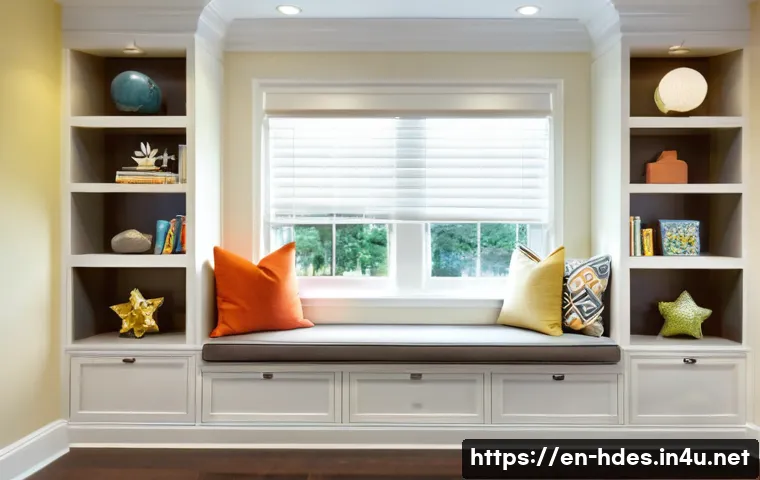
Built-in shelves, benches, and desks can be tailored precisely to your room’s dimensions, turning awkward nooks into functional zones. I had a small corner near a window that was just wasted space until I installed a built-in reading nook with storage underneath.
It became my favorite spot instantly. Custom built-ins tend to blend with your home’s style, creating a cohesive, polished look while maximizing every inch.
Although they can be an investment, the boost in usability and aesthetics is well worth it.
Creative Storage Solutions to Declutter Your Life
Utilizing Vertical Space for Maximum Impact
When floor space is tight, looking upward is a game changer. Installing tall bookshelves or wall-mounted cabinets lets you store items without crowding your living area.
I started using floating shelves in my kitchen to keep spices and dishes off the counters, and it made cooking so much more enjoyable and efficient. Hanging organizers behind doors or on walls can also hold shoes, accessories, or cleaning supplies, turning overlooked spots into valuable storage zones.
Hidden Storage Ideas You Might Overlook
Storage doesn’t have to be obvious to be effective. Under-bed drawers or lift-up storage beds are perfect for stashing seasonal clothes or linens out of sight.
I also use storage baskets that slide under sofas or tables to keep toys and remote controls handy but invisible. Even staircases can hide drawers or cupboards, which is a clever way to use space that often goes wasted.
The key is to think creatively about where you can hide essentials without cluttering your main living areas.
Decluttering Tips to Maintain Your Organized Space
No storage solution lasts long without a good decluttering habit. I found that setting aside 10 minutes a day to tidy up and reassess what I really use helps keep my home from feeling chaotic.
Donate or recycle items you haven’t touched in months, and avoid impulse buys that add unnecessary clutter. Labeling storage boxes and bins also made it easier for me to find things quickly, which reduces frustration and keeps my space feeling calm and inviting.
Maximizing Light and Color for an Open Feel
Choosing Colors That Expand Your Space
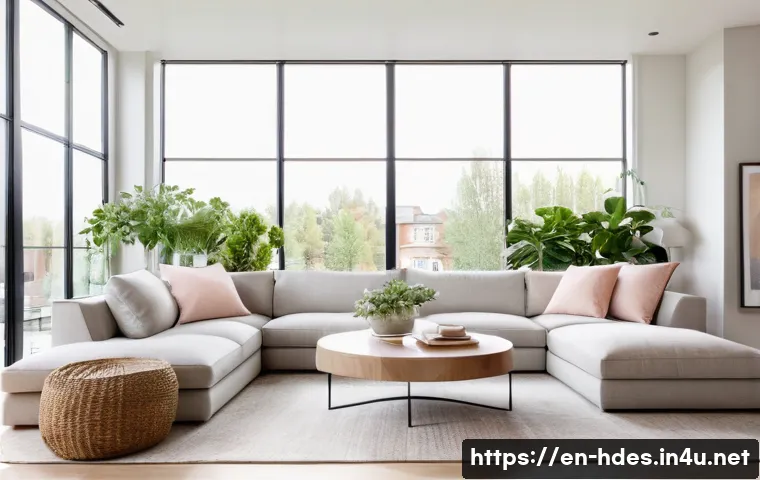
Light, neutral colors like soft whites, pale grays, and muted pastels can make rooms feel larger and more airy. I repainted my living room walls from a dark shade to a warm cream, and the difference was astonishing—the space instantly felt brighter and more welcoming.
Using consistent colors on walls, ceilings, and floors also creates a seamless flow, tricking the eye into perceiving more room than there actually is.
Strategic Use of Mirrors to Create Depth
Mirrors are a simple yet powerful tool to add depth and reflect natural light. I placed a large mirror opposite a window, and it instantly doubled the sunlight in the room.
Beyond just decoration, mirrors positioned correctly can visually double your space and highlight your best interior features. Frameless or minimalist designs work best to avoid cluttering the walls, especially in smaller rooms.
Lighting Layers for Atmosphere and Functionality
Combining different lighting sources—ambient, task, and accent—can dramatically improve how spacious and inviting a room feels. I installed dimmable ceiling lights for general illumination, desk lamps for focused work, and small LED strips to highlight shelves.
This layering not only brightens dark corners but also creates a cozy, personalized atmosphere that changes with your needs throughout the day.
Optimizing Layout and Flow for Everyday Living
Creating Zones for Different Activities
Dividing your room into distinct zones can help you use space more efficiently. In my open-plan living room, I use a rug to define the seating area and a small bookshelf to separate the workspace from the lounge.
This zoning makes each area feel purposeful and reduces visual clutter. Even if your space is small, clear boundaries help your brain switch gears between work, relaxation, and dining.
Traffic Patterns That Keep Movement Smooth
Avoid cramming furniture in a way that blocks natural walkways. When I rearranged my furniture, I made sure there was at least 30 inches between pieces to allow easy passage.
This simple adjustment made my home feel less cramped and more welcoming. Think about how you move through your home daily and arrange furniture to support those patterns, so you’re not constantly navigating obstacles.
Flexible Spaces That Adapt to Your Needs
Having spaces that can change function is a huge benefit. For example, my dining table doubles as a craft station or a remote work desk when needed. Using rugs or curtains to separate areas can also create privacy or transform a single room into multiple functional zones.
Flexibility keeps your home feeling fresh and supports a variety of activities without needing extra rooms.
Integrating Technology for Smart Space Management
Smart Storage Solutions with Automation
Technology can simplify your storage challenges. I’ve started using smart closet systems that track what I own and suggest outfits or remind me to donate unused clothes.
Automated drawers and cabinets with soft-close features save space by eliminating bulky hardware. These innovations make organizing easier and more enjoyable, especially for busy households.
Space-Saving Appliances That Boost Efficiency
Compact and multi-functional appliances can free up kitchen or laundry areas. I switched to a washer-dryer combo and a two-in-one microwave-oven unit, which significantly reduced the footprint of my appliances.
These space-saving gadgets don’t sacrifice performance, and the extra room gained can be used for storage or additional prep surfaces.
Voice-Controlled Devices for Convenience
Integrating voice assistants like Alexa or Google Home allows you to control lighting, temperature, and even window treatments without lifting a finger.
I love that I can adjust my lights or play music while cooking without moving around. This hands-free convenience can streamline your daily routine, keeping your living space neat and reducing the need for multiple remote controls or switches.
Table: Space-Saving Furniture Types and Their Benefits
| Furniture Type | Primary Function | Space-Saving Feature | Best For |
|---|---|---|---|
| Sofa Bed | Seating and sleeping | Transforms from sofa to bed | Small living rooms, guest rooms |
| Storage Ottoman | Seating and storage | Hidden compartment inside | Living rooms, bedrooms |
| Foldable Dining Set | Dining area | Folds away when not in use | Small kitchens, apartments |
| Built-In Shelves | Storage and display | Custom fit to wall space | Any room with unused wall space |
| Stackable Chairs | Seating | Stackable for easy storage | Multi-use rooms, occasional seating |
| Lift-Up Storage Bed | Sleeping and storage | Under-bed storage accessible by lifting mattress | Bedrooms with limited closet space |
Personalizing Your Space Without Overcrowding
Minimalist Decor That Still Feels Warm
Keeping decor simple doesn’t mean your home has to feel cold or impersonal. I’ve learned that a few well-chosen pieces like a cozy throw, a couple of plants, or a statement piece of art can make a big impact without overwhelming the space.
Minimalism helps maintain openness while allowing your personality to shine through, creating a calm and inviting atmosphere.
Functional Accessories That Add Style
Opt for decorative items that also serve a purpose. For example, stylish baskets can hold blankets or toys, and attractive trays keep remotes and keys organized.
I love how these little touches add charm and keep clutter out of sight. When you combine function with aesthetics, your home feels thoughtfully designed and lived-in rather than cluttered.
Seasonal Rotation for Freshness and Space
Rotating decor and accessories seasonally can keep your home feeling fresh and prevent overcrowding. I switch out cushions, rugs, and wall art to reflect the time of year, storing off-season items neatly away.
This rotation also helps me reassess what I truly need and enjoy, preventing unnecessary buildup and keeping my living space balanced and enjoyable.
Wrapping Up
Smart furniture and clever storage solutions are game changers for making the most of any space. By combining functionality with style, you can create a home that feels open, organized, and truly yours. Small adjustments and thoughtful choices go a long way in transforming cramped areas into comfortable, inviting environments.
Useful Tips to Remember
1. Prioritize multi-functional furniture to save space and reduce clutter efficiently.
2. Use vertical storage options like tall shelves and wall-mounted organizers to free up floor area.
3. Incorporate lighting layers and mirrors to visually expand your living space and add warmth.
4. Design flexible zones within rooms to support different activities without overcrowding.
5. Embrace technology with smart storage and space-saving appliances to enhance convenience and efficiency.
Key Takeaways
Choosing versatile furniture and maximizing unused areas can dramatically improve your home’s flow and feel. Maintaining an organized space requires regular decluttering and thoughtful storage solutions. Lighting and color choices play a crucial role in creating an airy atmosphere. Lastly, flexibility and personalization ensure your space adapts to your lifestyle while staying stylish and comfortable.
Frequently Asked Questions (FAQ) 📖
Q: What are some easy and effective ways to maximize small living spaces?
A: One of the simplest ways to maximize a small space is by using multi-purpose furniture, like a sofa bed or an ottoman with storage inside. Vertical storage solutions such as wall-mounted shelves or tall bookcases help free up floor space.
Also, keeping clutter to a minimum and using light colors can make a room feel more open and airy. From my own experience, investing in pieces that serve more than one function not only saves space but adds convenience to daily living.
Q: How can I create more storage without making my home feel cramped?
A: The key is to think creatively about unused areas—under beds, behind doors, or even above cabinets. Installing floating shelves or hooks can add storage without taking up floor space.
Using clear containers or labeled baskets keeps things organized and visually tidy. Personally, I found that customizing storage to fit your specific needs, like drawer dividers or built-in units, really helps maintain a clean, spacious look while keeping everything accessible.
Q: Is it possible to maximize space in a stylish way without spending a lot of money?
A: Absolutely! Style doesn’t have to come with a big price tag. Repurposing or upcycling furniture, adding peel-and-stick wallpaper, or using removable decals can instantly refresh a room.
Mixing textures and layering rugs can add warmth and personality without clutter. When I tried these budget-friendly updates, the space felt more inviting and personalized, proving that smart design can be both affordable and chic.