Exploring different home design styles can be both exciting and overwhelming. Each style tells a unique story, reflecting personal tastes and cultural influences that shape the spaces we live in.
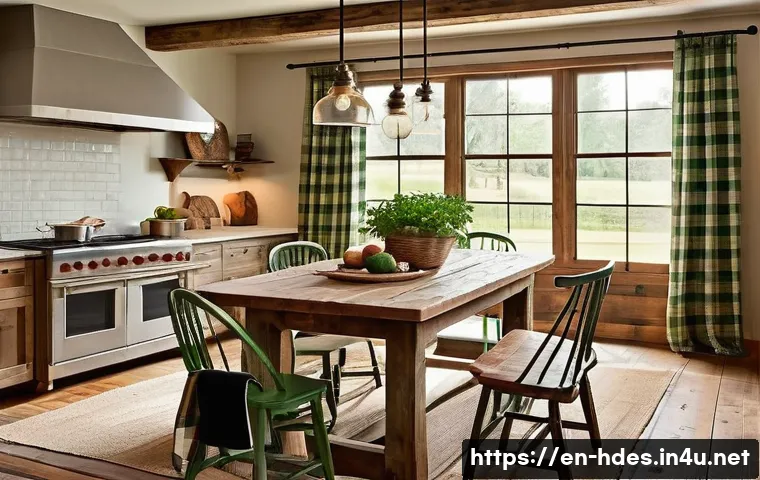
From the cozy warmth of rustic designs to the sleek lines of modern minimalism, understanding these styles can inspire your next home project. I’ve tried several approaches myself, and it’s amazing how the right design can completely transform a room’s vibe.
If you’re curious about which style suits you best or just want to refresh your living space, we’ll dive into detailed examples and key features. Let’s get into the details below!
Balancing Comfort and Style with Transitional Design
Blending Traditional Warmth with Contemporary Flair
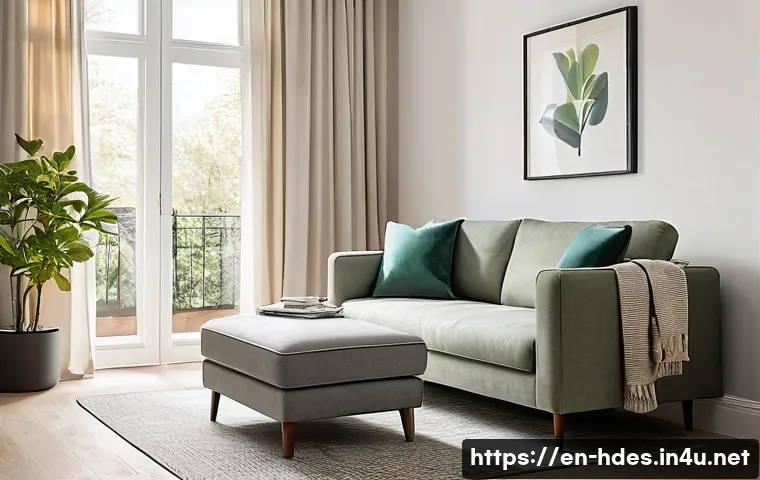
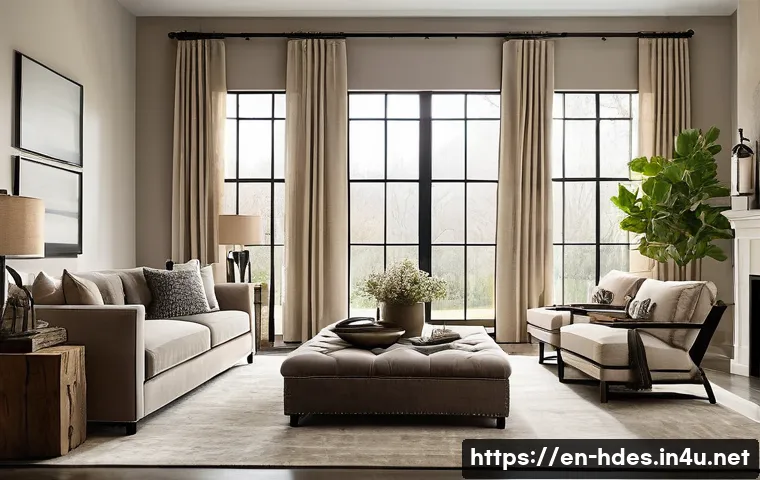
Transitional design is like the perfect middle ground between classic and modern styles. What I love about it is how it embraces the coziness of traditional elements—think plush sofas, warm wood tones—while incorporating cleaner lines and less ornamentation from modern aesthetics.
When I experimented with this style in my living room, I found it incredibly flexible; you can add a sleek metal lamp or a rustic wooden coffee table, and both pieces feel right at home.
The key is to avoid extremes and focus on balance. This approach makes the space inviting without feeling outdated or too stark.
Color Palettes That Calm and Connect
One thing I noticed about transitional interiors is their calm, neutral color schemes. Soft grays, beige, and creamy whites dominate, creating a soothing backdrop that lets furniture and accessories shine.
When I painted my walls in a muted taupe, the room instantly felt more serene yet sophisticated. This palette also allows you to bring in pops of color through textiles or art without overwhelming the senses.
If you’re aiming for a timeless look that’s easy to update, transitional colors are your best bet.
Materials and Textures That Add Depth
In transitional design, texture plays a subtle but crucial role. Mixing smooth surfaces like glass or polished wood with soft fabrics like velvet or linen adds dimension and interest.
I remember layering a chunky knit throw over a sleek leather armchair, and it brought this unexpected warmth to the room. Unlike minimalist spaces that can sometimes feel cold, transitional design thrives on these tactile contrasts.
It’s a gentle reminder that comfort and elegance can coexist beautifully.
Embracing Nature Through Rustic and Farmhouse Styles
Raw and Reclaimed Materials for Authenticity
Rustic and farmhouse styles celebrate imperfection and natural beauty. Using reclaimed wood, wrought iron, and distressed finishes instantly adds character and a sense of history to any space.
From my experience, sourcing authentic materials—like old barn wood or vintage metal fixtures—makes all the difference. These elements tell a story and make the space feel grounded and lived-in.
It’s a style that encourages you to slow down and appreciate the charm in everyday imperfections.
Cozy and Inviting Layouts
Both rustic and farmhouse interiors prioritize comfort, often featuring oversized sofas, chunky wooden tables, and plenty of cushions. I found that arranging furniture in a way that encourages gathering—like grouping chairs around a fireplace or a large dining table—makes the home feel genuinely welcoming.
The use of warm tones and layered textiles, such as plaid throws or braided rugs, enhances this cozy vibe. These styles truly shine when the space feels like a sanctuary from the hustle and bustle outside.
Farmhouse Modern: A Fresh Take
In recent years, farmhouse style has evolved by incorporating modern elements—clean lines, minimalist fixtures, and brighter color schemes. When I updated my kitchen with matte black hardware and subway tile backsplash, it gave the traditional farmhouse look a fresh, contemporary twist.
This hybrid approach keeps the rustic charm but adds polish and simplicity, perfect for those who want warmth without clutter.
Minimalism with a Human Touch: Modern Minimalist Design
Streamlining Spaces for Mental Clarity
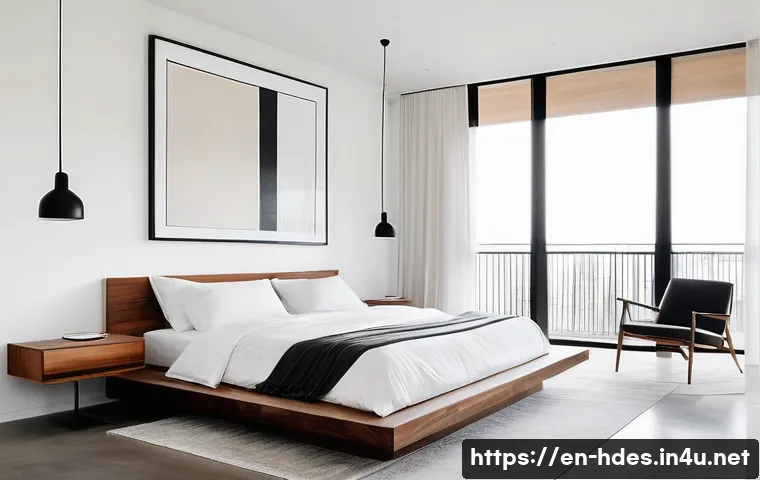
Modern minimalism is all about stripping away excess to create calm, functional spaces. But from my personal journey, pure minimalism can sometimes feel cold or impersonal if you’re not careful.
The trick is to keep only what truly adds value or joy. I decluttered my bedroom down to essentials, and it surprisingly boosted my relaxation. A clean, open space allows your mind to breathe, which is why minimalism often appeals to those seeking simplicity in a chaotic world.
Choosing Quality Over Quantity
In minimalist design, every piece counts. I invested in a few high-quality items like a solid wood bed frame and a minimalist pendant light, and the difference was noticeable.
These carefully chosen elements become focal points rather than just background. Minimalism encourages intentional living, where you appreciate craftsmanship and durability over disposable trends.
It’s a refreshing shift that I still carry into other aspects of my life.
Playing with Light and Negative Space
Lighting and open space are essential in minimalism. Large windows, sheer curtains, and well-placed light fixtures help brighten the room and highlight architectural features.
When I removed heavy drapes and added floor lamps, the space felt larger and more welcoming. Negative space—the empty areas around objects—becomes a design tool that brings balance and harmony.
It’s a subtle but powerful way to elevate the mood of a room without adding clutter.
Eclectic Style: Celebrating Personality and Creativity
Mixing Eras and Cultures with Confidence
Eclectic design is where you can truly let your personality shine. Combining vintage finds with modern art, or global textiles with contemporary furniture, creates a vibrant and unexpected aesthetic.
When I curated my eclectic living room, I included a Moroccan rug, mid-century chairs, and handmade ceramics. The space felt uniquely mine and sparked conversation every time guests came over.
The key is to find a common thread—like color or texture—to tie diverse pieces together.
Curating Collections and Personal Memorabilia
One of the best parts of eclectic style is showcasing your travels, hobbies, and collections. I love displaying souvenirs, books, and artwork that tell stories.
It transforms a house into a personal museum, making the environment more meaningful. Unlike uniform styles, eclectic interiors invite layering and experimentation, which makes decorating an ongoing adventure rather than a one-time task.
Color and Pattern Play
Bold colors and patterns are staples in eclectic design. Don’t be afraid to mix florals with stripes or jewel tones with earth hues. When I paired a bright turquoise sofa with patterned throw pillows and a gold-framed mirror, the room instantly popped with energy.
This style celebrates creativity and fearless choices, perfect for those who crave a space that’s as dynamic and lively as their personality.
Scandinavian Style: Function Meets Simplicity
Light-Filled Spaces and Natural Elements
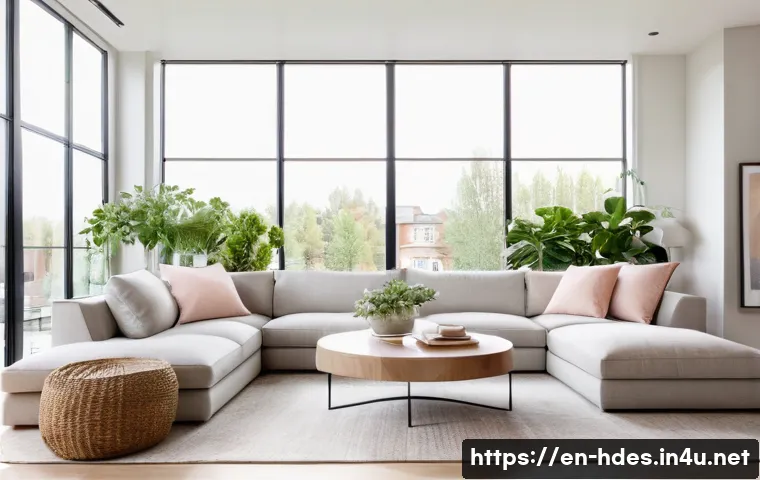
Scandinavian design is famous for its bright, airy rooms and connection to nature. I’ve noticed that maximizing natural light with sheer window treatments and light wood floors instantly lifts the mood.
Incorporating plants, wool rugs, and wooden furniture adds warmth and texture without complicating the look. It’s a style that feels fresh and uncluttered but still cozy—a fine balance that’s surprisingly calming.
Functional Furniture with Clean Lines
The hallmark of Scandinavian design is practical, beautifully crafted furniture. I swapped out bulky, ornate pieces for sleek, multi-purpose furniture that fits smaller spaces without sacrificing comfort.
Pieces like nesting tables, minimalist chairs, and modular sofas make everyday living easier and more efficient. The simplicity here isn’t about emptiness but about creating room to breathe and move.
Subtle Use of Color and Patterns
While mostly neutral, Scandinavian interiors use soft blues, muted greens, and gentle grays to add quiet interest. Patterns are typically geometric or nature-inspired but kept subtle.
I added a few cushions with minimalist prints and a wool throw in pastel tones, which enhanced the space without overwhelming it. This restrained approach helps maintain the overall serenity that defines the style.
Industrial Style: Raw and Urban Edge
Exposed Structural Elements as Design Features
Industrial design celebrates the beauty of unfinished materials—exposed brick, metal beams, and concrete floors are all part of the look. When I renovated my loft, I left some brick walls bare and added black metal shelving, which gave the space an authentic urban vibe.
It’s a style that’s gritty and bold but also surprisingly inviting when paired with softer elements like leather chairs or warm wood accents.
Blending Old with New
One of the joys of industrial design is mixing repurposed factory pieces with modern comforts. Vintage factory lights, salvaged wood tables, and metal stools add character and history.
I found that pairing these rugged items with plush textiles and cozy lighting creates a balanced environment that’s both edgy and livable. This juxtaposition keeps the space from feeling too cold or utilitarian.
Neutral Palette with Textural Contrast
Industrial interiors often rely on a palette of grays, blacks, and browns, but texture brings the style to life. Rough concrete contrasts with smooth leather; cold metal complements soft textiles.
In my experience, this interplay is what makes industrial spaces feel dynamic. Adding a shaggy rug or a warm throw can soften the starkness and invite you to linger longer.
| Design Style | Key Features | Color Palette | Materials | Ideal For |
|---|---|---|---|---|
| Transitional | Balanced mix of traditional and modern, neutral tones, layered textures | Soft grays, taupe, beige | Wood, velvet, linen, glass | Those seeking timeless yet cozy spaces |
| Rustic/Farmhouse | Reclaimed wood, warm tones, cozy textiles | Warm browns, creams, muted greens | Distressed wood, wrought iron, natural fibers | Lovers of authentic, lived-in charm |
| Modern Minimalist | Clutter-free, quality over quantity, open spaces | White, black, neutrals | Polished wood, metal, glass | Fans of simplicity and calm |
| Eclectic | Mix of eras and cultures, bold colors and patterns | Jewel tones, bright accents | Varied: textiles, vintage, handmade | Creative personalities wanting unique spaces |
| Scandinavian | Bright, airy, functional furniture, natural elements | Neutrals with pastel accents | Light wood, wool, plants | Those craving simplicity and warmth |
| Industrial | Exposed structures, raw materials, textural contrast | Grays, blacks, browns | Brick, metal, concrete, leather | Urban dwellers loving edgy aesthetics |
Wrapping Up
Choosing the right interior design style is all about finding a balance between comfort and personal expression. Whether you lean towards the cozy warmth of transitional and rustic styles or the sleek simplicity of minimalism and Scandinavian design, each approach offers unique ways to make your space feel like home. Experimenting with textures, colors, and furniture can truly transform your environment into a reflection of your lifestyle and taste.
Useful Tips to Remember
1. Start with a neutral color palette to create a versatile base that allows for easy updates and accents.
2. Mix materials and textures to add depth and interest without overwhelming the space.
3. Prioritize quality pieces that combine both function and style for lasting impact.
4. Don’t shy away from blending styles or eras to create a personalized and inviting atmosphere.
5. Use lighting thoughtfully to enhance mood, highlight features, and open up the room.
Key Takeaways
Successful interior design balances aesthetics with comfort, blending elements thoughtfully rather than forcing extremes. Neutral tones provide a calming backdrop, while layering textures and materials adds warmth and character. Quality over quantity ensures longevity and satisfaction, and embracing your personality through curated pieces makes a space truly yours. Remember, lighting and layout play crucial roles in enhancing both style and livability.
Frequently Asked Questions (FAQ) 📖
Q: How do I choose the right home design style for my personality and lifestyle?
A: Picking the perfect home design style starts with reflecting on what truly makes you feel comfortable and inspired. Think about your daily routines, hobbies, and what kind of atmosphere you want to create—whether it’s a calm retreat, a lively entertaining space, or a functional family hub.
For example, if you love simplicity and clean spaces, modern minimalism might resonate with you. If you enjoy warmth and natural textures, rustic or farmhouse styles could be a better fit.
I found that creating a mood board with images and colors you naturally gravitate toward really helps clarify your preferences before making any big decisions.
Q: Can mixing different home design styles work, or should I stick to just one?
A: Absolutely, mixing styles can work wonderfully when done thoughtfully! It’s all about balance and cohesion. For instance, blending industrial elements like exposed brick or metal fixtures with cozy Scandinavian furniture can give your space a unique edge without feeling chaotic.
I’ve personally experimented with combining mid-century modern pieces with bohemian textiles, and the contrast brought a fresh, personalized vibe to my living room.
The key is to have a consistent color palette or a unifying material that ties everything together, so the mix feels intentional rather than random.
Q: What are some affordable ways to update my home design without a full renovation?
A: Small changes can make a big impact without breaking the bank. Swapping out hardware like cabinet knobs and door handles, adding new throw pillows or rugs, and updating lighting fixtures are simple yet effective ways to refresh a room’s look.
I once changed the entire mood of my bedroom by repainting just one accent wall and introducing layered lighting with lamps and dimmers. Also, incorporating plants adds life and texture instantly.
These tweaks don’t require professional help and can be done over a weekend, making it easy to experiment and find what works best for your space.