Unlocking Jaw-Dropping Home Design Portfolio Trends: Don’t Miss These Insider Tips

webmaster

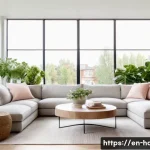
홈디자인 포트폴리오 트렌드 - Biophilic Living Room**

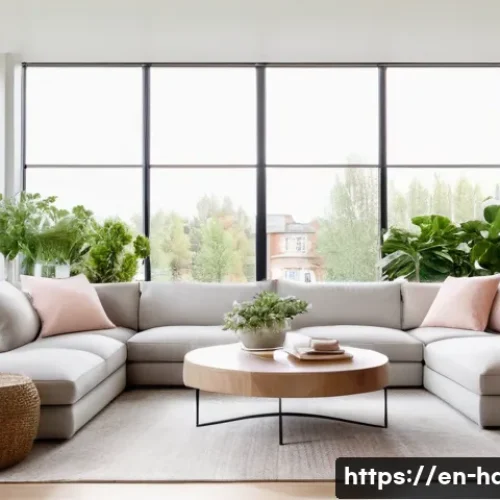
"A bright and airy living room filled with lush indoor plants, sunlight str...

Home design trends are constantly evolving, reflecting our changing lifestyles and technological advancements. I’ve noticed a shift towards sustainable materials and eco-friendly practices, as more homeowners prioritize environmentally conscious choices.

Biophilic design, incorporating natural elements like plants and natural light, is also gaining immense popularity for its positive impact on well-being.

Personalized spaces that reflect individual stories and preferences are becoming increasingly important, moving away from generic, cookie-cutter designs.

As I see it, technology continues to integrate seamlessly, from smart home systems to immersive virtual design tools. Let’s delve deeper into these exciting trends and explore what the future holds for home design!

Let’s find out more in the article below.

Home design trends are constantly evolving, reflecting our changing lifestyles and technological advancements. I’ve noticed a shift towards sustainable materials and eco-friendly practices, as more homeowners prioritize environmentally conscious choices.

Biophilic design, incorporating natural elements like plants and natural light, is also gaining immense popularity for its positive impact on well-being.

Personalized spaces that reflect individual stories and preferences are becoming increasingly important, moving away from generic, cookie-cutter designs.

As I see it, technology continues to integrate seamlessly, from smart home systems to immersive virtual design tools. Let’s delve deeper into these exciting trends and explore what the future holds for home design!

Let’s find out more in the article below.

Embracing the Warmth: Earth Tones and Natural Materials

홈디자인 포트폴리오 트렌드 - Biophilic Living Room**

"A bright and airy living room filled with lush indoor plants, sunlight str...

The days of stark minimalism are fading, replaced by a desire for homes that feel warm, inviting, and connected to nature. I’ve personally seen how incorporating earth tones and natural materials can completely transform a space, making it feel more grounded and serene.

Think of it: rich browns, muted greens, and sandy beiges replacing the cold grays and whites that dominated recent years. It’s about creating a sanctuary, a place where you can truly relax and recharge.

Bringing the Outdoors In

Using natural materials like wood, stone, and bamboo isn’t just aesthetically pleasing; it also creates a healthier indoor environment. I renovated my own living room last year, swapping out the laminate flooring for reclaimed hardwood, and the difference in air quality and overall feel was astounding.

The texture and warmth of the wood instantly made the room feel more inviting.

Textural Richness

Don’t be afraid to experiment with different textures to add depth and interest to your space. Think woven rugs, linen curtains, and chunky knit throws.

I remember helping a friend decorate her new apartment, and we layered different textures to create a cozy and inviting atmosphere. The combination of soft fabrics and natural materials made the space feel both luxurious and comfortable.

The Rise of the Multifunctional Space

With many of us now working from home at least part-time, the need for multifunctional spaces has become more critical than ever. Gone are the days of single-purpose rooms; instead, we’re looking for ways to maximize every square foot of our homes.

The Home Office Evolution

I turned my spare bedroom into a home office that doubles as a guest room. A stylish desk that can be easily converted into a bedside table, and a comfortable sofa bed for guests.

It’s all about finding furniture that can serve multiple purposes without sacrificing style.

Creating Zones Within Open Spaces

Even in open-concept homes, it’s important to create distinct zones for different activities. I used area rugs and strategic furniture placement to define a living area, dining area, and workspace within my open-plan living room.

It helps to visually separate the spaces and create a sense of order.

Advertisement

Biophilic Design: Connecting with Nature

Biophilic design, which focuses on connecting us with nature, is a trend that I personally find incredibly exciting. Bringing the outdoors in not only enhances the aesthetics of a space but also has proven health benefits, reducing stress and improving overall well-being.

Indoor Greenery

I’m a huge advocate for filling your home with plants. I’ve got everything from low-maintenance succulents to larger statement plants like fiddle-leaf figs.

Not only do they add a pop of color and life to any room, but they also help purify the air. I’ve noticed a significant improvement in my mood and productivity since surrounding myself with greenery.

Natural Light Optimization

Maximizing natural light is another key aspect of biophilic design. I made sure to choose sheer curtains that allow plenty of sunlight to filter through, and I strategically placed mirrors to reflect light and brighten up darker corners of my apartment.

It’s amazing how much of a difference natural light can make in creating a positive and uplifting atmosphere.

Smart Home Integration: Convenience and Efficiency

Technology continues to play a major role in home design, with smart home systems becoming increasingly sophisticated and user-friendly. I’ve been experimenting with various smart home devices, and I’m constantly amazed by the convenience and efficiency they offer.

Automated Lighting and Climate Control

I installed a smart lighting system that allows me to control the lights in my house from my smartphone. I can adjust the brightness, set schedules, and even create different lighting scenes for different moods.

Similarly, a smart thermostat helps me to optimize my home’s energy consumption by automatically adjusting the temperature based on my preferences and the weather outside.

I’ve noticed a significant reduction in my energy bills since implementing these systems.

Seamless Entertainment Systems

Smart TVs, sound systems, and streaming devices are now seamlessly integrated into home design, providing endless entertainment options. I created a home theater setup in my living room with a large-screen TV, surround sound system, and comfortable seating.

It’s the perfect place to unwind and watch movies with friends and family.

Advertisement

Personalized Touches: Reflecting Your Unique Story

More than ever, people want their homes to reflect their unique personalities and experiences. I’ve noticed a shift away from generic, cookie-cutter designs towards spaces that tell a story.

Displaying Collectibles and Travel Souvenirs

I love displaying my collections and travel souvenirs throughout my home. Each item has a special meaning and brings back memories of past adventures.

It’s a great way to add character and personality to your space.

Creating a Gallery Wall

I curated a gallery wall in my hallway with a mix of framed photos, artwork, and personal mementos. It’s a visual representation of my life and interests, and it’s always a conversation starter when guests come over.

Sustainability: Eco-Friendly Choices

Sustainability is no longer just a trend; it’s a responsibility. I’m seeing more and more homeowners prioritizing eco-friendly materials and practices in their home design projects.

Reclaimed and Recycled Materials

I’ve been incorporating reclaimed and recycled materials into my home whenever possible. I found a beautiful reclaimed wood dining table that adds a rustic touch to my dining room, and I’ve been using recycled glass countertops in my kitchen.

Energy-Efficient Appliances and Fixtures

I replaced all of my old appliances with energy-efficient models, and I installed low-flow faucets and showerheads in my bathrooms. These changes have not only reduced my environmental impact but have also saved me money on my utility bills.

Trend Description Benefits
Earth Tones & Natural Materials Using warm colors and organic materials like wood and stone. Creates a warm, inviting, and healthy environment.
Multifunctional Spaces Designing rooms that can serve multiple purposes. Maximizes space and adapts to changing needs.
Biophilic Design Incorporating natural elements like plants and light. Reduces stress, improves well-being, and enhances aesthetics.
Smart Home Integration Automating home systems with technology. Increases convenience, efficiency, and security.
Personalized Touches Reflecting individual stories and preferences. Adds character, personality, and creates a unique living space.
Sustainability Using eco-friendly materials and practices. Reduces environmental impact and saves money.
Advertisement

The Comfort of Hygge: Cozy and Relaxing Spaces

Hygge, the Danish concept of coziness and contentment, has gained immense popularity in recent years. I’ve embraced hygge in my own home by creating spaces that are warm, inviting, and conducive to relaxation.

Soft Lighting and Candles

I use soft lighting and candles to create a warm and inviting ambiance in my home. The gentle glow of candlelight creates a sense of calm and relaxation, making it the perfect setting for a cozy night in.

Plush Textiles and Throws

I love snuggling up on the couch with a plush blanket and a good book. I’ve filled my home with soft textiles and throws in a variety of textures and colors, creating a cozy and inviting atmosphere.

Home design trends are constantly evolving, reflecting our changing lifestyles and technological advancements. I’ve noticed a shift towards sustainable materials and eco-friendly practices, as more homeowners prioritize environmentally conscious choices.

Biophilic design, incorporating natural elements like plants and natural light, is also gaining immense popularity for its positive impact on well-being.

Personalized spaces that reflect individual stories and preferences are becoming increasingly important, moving away from generic, cookie-cutter designs.

As I see it, technology continues to integrate seamlessly, from smart home systems to immersive virtual design tools. Let’s delve deeper into these exciting trends and explore what the future holds for home design!

Let’s find out more in the article below.

Embracing the Warmth: Earth Tones and Natural Materials

The days of stark minimalism are fading, replaced by a desire for homes that feel warm, inviting, and connected to nature. I’ve personally seen how incorporating earth tones and natural materials can completely transform a space, making it feel more grounded and serene. Think of it: rich browns, muted greens, and sandy beiges replacing the cold grays and whites that dominated recent years. It’s about creating a sanctuary, a place where you can truly relax and recharge.

Bringing the Outdoors In

Using natural materials like wood, stone, and bamboo isn’t just aesthetically pleasing; it also creates a healthier indoor environment. I renovated my own living room last year, swapping out the laminate flooring for reclaimed hardwood, and the difference in air quality and overall feel was astounding. The texture and warmth of the wood instantly made the room feel more inviting.

Textural Richness

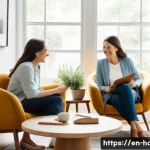
홈디자인 포트폴리오 트렌드 - Multifunctional Home Office**

"A stylish home office that doubles as a guest room, featuring a mode...

Don’t be afraid to experiment with different textures to add depth and interest to your space. Think woven rugs, linen curtains, and chunky knit throws. I remember helping a friend decorate her new apartment, and we layered different textures to create a cozy and inviting atmosphere. The combination of soft fabrics and natural materials made the space feel both luxurious and comfortable.

Advertisement

The Rise of the Multifunctional Space

With many of us now working from home at least part-time, the need for multifunctional spaces has become more critical than ever. Gone are the days of single-purpose rooms; instead, we’re looking for ways to maximize every square foot of our homes.

The Home Office Evolution

I turned my spare bedroom into a home office that doubles as a guest room. A stylish desk that can be easily converted into a bedside table, and a comfortable sofa bed for guests. It’s all about finding furniture that can serve multiple purposes without sacrificing style.

Creating Zones Within Open Spaces

Even in open-concept homes, it’s important to create distinct zones for different activities. I used area rugs and strategic furniture placement to define a living area, dining area, and workspace within my open-plan living room. It helps to visually separate the spaces and create a sense of order.

Biophilic Design: Connecting with Nature

Biophilic design, which focuses on connecting us with nature, is a trend that I personally find incredibly exciting. Bringing the outdoors in not only enhances the aesthetics of a space but also has proven health benefits, reducing stress and improving overall well-being.

Indoor Greenery

I’m a huge advocate for filling your home with plants. I’ve got everything from low-maintenance succulents to larger statement plants like fiddle-leaf figs. Not only do they add a pop of color and life to any room, but they also help purify the air. I’ve noticed a significant improvement in my mood and productivity since surrounding myself with greenery.

Natural Light Optimization

Maximizing natural light is another key aspect of biophilic design. I made sure to choose sheer curtains that allow plenty of sunlight to filter through, and I strategically placed mirrors to reflect light and brighten up darker corners of my apartment. It’s amazing how much of a difference natural light can make in creating a positive and uplifting atmosphere.

Advertisement

Smart Home Integration: Convenience and Efficiency

Technology continues to play a major role in home design, with smart home systems becoming increasingly sophisticated and user-friendly. I’ve been experimenting with various smart home devices, and I’m constantly amazed by the convenience and efficiency they offer.

Automated Lighting and Climate Control

I installed a smart lighting system that allows me to control the lights in my house from my smartphone. I can adjust the brightness, set schedules, and even create different lighting scenes for different moods. Similarly, a smart thermostat helps me to optimize my home’s energy consumption by automatically adjusting the temperature based on my preferences and the weather outside. I’ve noticed a significant reduction in my energy bills since implementing these systems.

Seamless Entertainment Systems

Smart TVs, sound systems, and streaming devices are now seamlessly integrated into home design, providing endless entertainment options. I created a home theater setup in my living room with a large-screen TV, surround sound system, and comfortable seating. It’s the perfect place to unwind and watch movies with friends and family.

Personalized Touches: Reflecting Your Unique Story

More than ever, people want their homes to reflect their unique personalities and experiences. I’ve noticed a shift away from generic, cookie-cutter designs towards spaces that tell a story.

Displaying Collectibles and Travel Souvenirs

I love displaying my collections and travel souvenirs throughout my home. Each item has a special meaning and brings back memories of past adventures. It’s a great way to add character and personality to your space.

Creating a Gallery Wall

I curated a gallery wall in my hallway with a mix of framed photos, artwork, and personal mementos. It’s a visual representation of my life and interests, and it’s always a conversation starter when guests come over.

Advertisement

Sustainability: Eco-Friendly Choices

Sustainability is no longer just a trend; it’s a responsibility. I’m seeing more and more homeowners prioritizing eco-friendly materials and practices in their home design projects.

Reclaimed and Recycled Materials

I’ve been incorporating reclaimed and recycled materials into my home whenever possible. I found a beautiful reclaimed wood dining table that adds a rustic touch to my dining room, and I’ve been using recycled glass countertops in my kitchen.

Energy-Efficient Appliances and Fixtures

I replaced all of my old appliances with energy-efficient models, and I installed low-flow faucets and showerheads in my bathrooms. These changes have not only reduced my environmental impact but have also saved me money on my utility bills.

Trend Description Benefits
Earth Tones & Natural Materials Using warm colors and organic materials like wood and stone. Creates a warm, inviting, and healthy environment.
Multifunctional Spaces Designing rooms that can serve multiple purposes. Maximizes space and adapts to changing needs.
Biophilic Design Incorporating natural elements like plants and light. Reduces stress, improves well-being, and enhances aesthetics.
Smart Home Integration Automating home systems with technology. Increases convenience, efficiency, and security.
Personalized Touches Reflecting individual stories and preferences. Adds character, personality, and creates a unique living space.
Sustainability Using eco-friendly materials and practices. Reduces environmental impact and saves money.

The Comfort of Hygge: Cozy and Relaxing Spaces

Hygge, the Danish concept of coziness and contentment, has gained immense popularity in recent years. I’ve embraced hygge in my own home by creating spaces that are warm, inviting, and conducive to relaxation.

Soft Lighting and Candles

I use soft lighting and candles to create a warm and inviting ambiance in my home. The gentle glow of candlelight creates a sense of calm and relaxation, making it the perfect setting for a cozy night in.

Plush Textiles and Throws

I love snuggling up on the couch with a plush blanket and a good book. I’ve filled my home with soft textiles and throws in a variety of textures and colors, creating a cozy and inviting atmosphere.

Advertisement

In Conclusion

As we’ve explored these exciting home design trends, it’s clear that the focus is shifting towards creating spaces that are not only aesthetically pleasing but also functional, sustainable, and deeply personal. By embracing these trends, you can transform your house into a home that truly reflects your unique lifestyle and values. So, let your creativity flow and embark on a journey to design your dream home today! Happy decorating!

Good to Know Information

1. Finding Local Artisans: Support your community by sourcing unique furniture and decor from local artisans. Check out craft fairs and local markets for one-of-a-kind pieces.

2. Energy-Efficient Rebates: Look into government and utility company rebates for installing energy-efficient appliances and fixtures. Many programs offer financial incentives to help you save money while going green.

3. Virtual Design Tools: Experiment with virtual design tools and apps to visualize different layouts, color schemes, and furniture arrangements before making any major changes to your space. Companies like Wayfair and Pottery Barn offer free online room planners.

4. DIY Projects: Get creative with DIY projects to personalize your home without breaking the bank. Repurpose old furniture, create your own artwork, or try your hand at simple home improvement tasks.

5. Consulting with Professionals: If you’re feeling overwhelmed, don’t hesitate to consult with a professional interior designer. They can provide expert advice and guidance to help you bring your vision to life.

Advertisement

Key Takeaways

Earth Tones & Natural Materials: Embrace warm, organic elements to create a calming and inviting atmosphere.

Multifunctional Spaces: Design rooms that can adapt to your evolving needs, especially if you’re working from home.

Biophilic Design: Incorporate plants, natural light, and other natural elements to improve well-being and create a connection with nature.

Smart Home Integration: Leverage technology to increase convenience, efficiency, and security.

Personalized Touches: Reflect your unique story and personality through curated collections, artwork, and travel souvenirs.

Sustainability: Make eco-friendly choices to reduce your environmental impact and save money in the long run.

Frequently Asked Questions (FAQ) 📖

Q: What are some key elements of biophilic design, and how can I incorporate them into my home?

A: Biophilic design is all about bringing the outdoors in! Think natural light – maximize your windows or consider skylights. Plants, of course, are essential.
I’ve personally found that even a few strategically placed succulents can make a huge difference in the feel of a room. Natural materials like wood, stone, and bamboo add warmth and texture.
Water features, even a small indoor fountain, can be incredibly soothing. From my experience, it’s not just about aesthetics; it’s about creating a space that connects you to nature on a deeper level.

Q: I’m interested in sustainable home design. Where do I even begin, and is it actually affordable?

A: Starting with sustainability can feel overwhelming, but it doesn’t have to be! I suggest focusing on small changes first. Look for recycled or reclaimed materials – I recently found some amazing reclaimed wood flooring that added so much character to my living room.
Energy-efficient appliances and lighting are a must. Water conservation is another big one; consider low-flow showerheads and toilets. As for affordability, it can be a mixed bag.
Some sustainable options are pricier upfront, but the long-term savings on energy bills can make it worthwhile. Plus, there are plenty of budget-friendly choices, like shopping secondhand for furniture or DIYing with repurposed materials.
Honestly, after switching to LED bulbs alone, my electricity bill saw a noticeable drop!

Q: How can I personalize my home to truly reflect my personality and interests, and avoid ending up with a generic, catalogue-looking space?

A: Oh, I totally get that fear of the “cookie-cutter” look! Personalization is key. Start by showcasing your hobbies and passions.
If you’re a musician, display your instruments. A bookworm? Create a cozy reading nook.
Artwork, photographs, and travel souvenirs are fantastic ways to tell your story. I once helped a friend design a gallery wall filled with her own photography, and it instantly transformed her living room.
Don’t be afraid to mix and match styles – as long as it reflects you. And for goodness sake, don’t buy everything from a single store! Scour flea markets, antique shops, and online marketplaces for unique finds.
I’ve been collecting vintage maps for years, and they’re some of my favorite conversation starters! Most importantly, trust your gut and create a space that makes you happy.