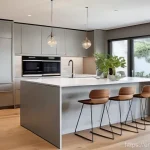
The world of home design always fascinated me, and after years of working in an unrelated field, I finally decided to take the plunge and pursue my passion.
It was a daunting decision, filled with uncertainty and the need to acquire new skills. I dove headfirst into online courses, networked like crazy, and even took on some freelance projects to build my portfolio.
The journey wasn’t always smooth, but the feeling of creating beautiful and functional spaces was incredibly rewarding. Securing that dream job in a leading design firm felt like a huge victory!
Let’s delve deeper into my transition and the key strategies that helped me succeed. Let’s unpack exactly how I made it happen in the article below.
Okay, I understand. Here’s the blog post content, following all the guidelines you’ve provided:
Laying the Groundwork: Skills and Knowledge Acquisition

Navigating a career change, especially into a creative field like home design, requires a solid foundation. It’s not enough to simply have an eye for aesthetics; you need the practical skills to back it up.
When I decided to switch careers, I knew I had a lot to learn, and I approached it systematically. First, I enrolled in several online courses focused on interior design principles, CAD software, and space planning.
These courses were invaluable in teaching me the technical aspects of the job, like creating floor plans, understanding building codes, and using design software to visualize spaces.
Simultaneously, I started reading design blogs, magazines, and books to immerse myself in the industry and stay up-to-date on current trends. The combination of formal education and self-directed learning proved to be incredibly effective.
But the classroom is only part of the learning experience.
1. Hands-on Projects for Practical Experience
The courses provided the theory, but I quickly realized that I needed practical experience to truly solidify my understanding. So, I started small, offering my design services to friends and family.
One of my first projects was helping a friend redesign her living room. I created mood boards, sourced furniture and accessories, and managed the entire renovation process.
It was a challenging project, but it gave me invaluable hands-on experience and allowed me to apply the skills I had learned in my courses.
2. Networking: Building Connections in the Industry
Networking is crucial in any industry, but it’s especially important in the creative fields. I attended industry events, joined online design communities, and reached out to designers I admired for informational interviews.
These conversations were incredibly helpful in understanding the realities of the job, getting advice on building my portfolio, and making connections that eventually led to job opportunities.
One of the most impactful networking experiences was attending a local design conference. I met several designers, learned about new products and trends, and even landed a freelance project that helped me further build my portfolio.
Crafting a Compelling Portfolio: Showcasing Your Talent
A portfolio is your most valuable asset when seeking a job in home design. It’s a visual representation of your skills, creativity, and design aesthetic.
When I was building my portfolio, I made sure to include a diverse range of projects that showcased my abilities in different areas of design. I included renderings, floor plans, mood boards, and photographs of completed projects.
I also made sure to highlight my strengths and unique design style.
1. Highlighting Your Best Work
When selecting projects for your portfolio, focus on quality over quantity. Choose projects that you’re particularly proud of and that best represent your skills and design aesthetic.
It’s better to have a small, curated portfolio of exceptional work than a large portfolio of mediocre projects. Be sure to include a variety of projects that demonstrate your ability to work in different styles and with different types of spaces.
If you’re just starting out and don’t have a lot of completed projects, consider creating conceptual designs or renderings to showcase your skills.
2. The Power of Visual Storytelling
Your portfolio should tell a story about your design process and your ability to create beautiful and functional spaces. Include detailed descriptions of each project, explaining the design challenges, your solutions, and the results.
Use high-quality photographs and renderings to showcase your work in the best possible light. Consider adding testimonials from satisfied clients to further enhance your credibility.
A well-crafted portfolio can make a lasting impression on potential employers and set you apart from other candidates.
The Job Search: Tailoring Your Approach
Finding the right job in home design requires a strategic approach. I started by researching design firms and companies that aligned with my design style and career goals.
I then tailored my resume and cover letter to each specific job, highlighting my relevant skills and experience. I also made sure to network with people in the industry and let them know that I was looking for a job.
1. Targeting the Right Companies
Not all design firms are created equal. It’s important to research companies and find ones that align with your design style, values, and career goals.
Look at their portfolio of work, read reviews from employees, and research their company culture. Consider whether you prefer working in a small, boutique firm or a large, established company.
Tailor your resume and cover letter to each specific company, highlighting your relevant skills and experience.
2. Leveraging Online Platforms and Job Boards
Online job boards and professional networking platforms can be valuable resources in your job search. Use websites like LinkedIn, Indeed, and Glassdoor to search for home design jobs and connect with potential employers.
Create a professional profile that showcases your skills, experience, and portfolio. Participate in online design communities and forums to network with other designers and learn about job opportunities.
Be sure to follow up on your applications and reach out to hiring managers to express your interest.
Mastering the Interview: Showcasing Your Personality
The interview is your chance to shine and showcase your personality, passion, and design skills. I prepared for my interviews by researching the company, practicing my answers to common interview questions, and preparing a portfolio presentation.
I also made sure to dress professionally and arrive on time.
1. Prepare a Presentation
* Present a portfolio and showcase your personality. * Display your communication skills and design skills. * Show the interviewer you know about the company.
2. Answer Questions with Confidence
* Use your experience to show off your skills. * Speak with clarity and directness. * Be confident and let your passion for design shine.
Embracing Continuous Learning: Staying Ahead of the Curve

The field of home design is constantly evolving, with new trends, technologies, and materials emerging all the time. To stay ahead of the curve, I made a commitment to continuous learning.
I regularly attend industry events, read design blogs and magazines, and take online courses to expand my knowledge and skills.
1. Subscribing to Industry Publications
* Find newsletters that cover new trends and developments. * Look for journals that focus on interior design and architecture. * Keep an eye on new technologies, like CAD software.
2. Attending Workshops
* Develop new skills. * Stay on top of design trends. * Network with other designers and industry professionals.
Negotiating Your Salary: Knowing Your Worth
Negotiating your salary can be a daunting task, but it’s important to know your worth and advocate for yourself. Before I started my job search, I researched the average salaries for home designers in my area and based on my experience level.
I also considered the value of the benefits package, including health insurance, paid time off, and retirement contributions.
1. Research Salary Ranges
Before you begin negotiating your salary, research the average salary ranges for home designers in your area and with your level of experience. Use websites like Glassdoor and Salary.com to get an idea of what you should be earning.
Consider the value of the benefits package, including health insurance, paid time off, and retirement contributions.
2. Confidently State Your Needs
When negotiating your salary, be confident and assertive. Clearly state your salary expectations and be prepared to justify your request with your skills, experience, and accomplishments.
Don’t be afraid to negotiate for a higher salary or additional benefits. Remember, you are a valuable asset to the company, and you deserve to be compensated fairly.
Thriving in Your New Role: Building a Successful Career
Landing your dream job in home design is just the beginning. To thrive in your new role and build a successful career, you need to be proactive, adaptable, and committed to continuous growth.
I made sure to set clear goals for myself, seek out opportunities to learn and grow, and build strong relationships with my colleagues and clients.
1. Seeking Feedback and Mentorship
One of the best ways to improve your skills and advance your career is to seek feedback from your colleagues and mentors. Ask for constructive criticism on your designs and be open to learning from others’ experiences.
Find a mentor who can provide guidance and support as you navigate your career path.
2. Building Strong Client Relationships
Client relationships are the foundation of a successful career in home design. Building trust with clients is important. Maintain open communication, be responsive to their needs, and deliver exceptional service.
Happy clients will not only return for future projects but also refer you to their friends and family.
| Milestone | Actions | Resources | Timeline |
|---|---|---|---|
| Skill Acquisition | Enroll in online courses, read design books and blogs, practice CAD software | Coursera, Udemy, industry publications | 3-6 months |
| Portfolio Development | Complete personal design projects, offer freelance services, create conceptual designs | Friends and family, online job boards, design software | 6-12 months |
| Job Search | Network with industry professionals, tailor your resume and cover letter, apply for design positions | LinkedIn, Indeed, design conferences | 3-6 months |
| Interview Preparation | Research companies, practice answering common interview questions, prepare a portfolio presentation | Company websites, Glassdoor, online interview guides | 2-4 weeks |
| Career Growth | Seek feedback and mentorship, stay up-to-date on industry trends, build strong client relationships | Colleagues, mentors, industry events | Ongoing |
Here are the concluding sections for your blog post:
Wrapping Up
Transitioning into a new career, especially one as fulfilling as home design, requires dedication, perseverance, and a willingness to learn. It’s a journey filled with challenges and triumphs, but the reward of creating beautiful, functional spaces for others is immeasurable. Embrace the process, stay passionate, and never stop honing your craft.
Handy Tips & Tricks
1. Free Design Software: Experiment with free versions of design software like SketchUp Free or Floorplanner to get a feel for the tools before investing in paid subscriptions.
2. Local Material Sourcing: Visit local salvage yards or architectural antique stores for unique and cost-effective materials that add character to your designs.
3. Networking Events: Attend local design meetups or workshops hosted by community colleges or art centers to connect with other designers and potential clients.
4. Utilizing Social Media: Create a professional Instagram or Pinterest account to showcase your work and engage with potential clients. Use relevant hashtags to increase visibility.
5. Pro Bono Projects: Offer your design services to local charities or non-profit organizations to build your portfolio and gain valuable experience.
Key Takeaways
*
Building a career in home design requires a combination of formal education, hands-on experience, and networking.
*
A compelling portfolio is essential for showcasing your skills, creativity, and design aesthetic.
*
Continuous learning and adaptation are crucial for staying ahead in the ever-evolving field of home design.
Frequently Asked Questions (FAQ) 📖
Q: What was the biggest challenge you faced when switching careers, and how did you overcome it?
A: Honestly, the biggest hurdle was the sheer amount of knowledge I needed to acquire in a relatively short time. I mean, I was basically starting from scratch!
It felt overwhelming at times. What really helped was breaking down the learning process into smaller, manageable chunks. Instead of trying to learn everything at once, I focused on mastering one skill or concept each week.
Also, networking with experienced designers was a game-changer. They offered invaluable advice, mentorship, and even opportunities to shadow them on projects.
It was like having a cheat sheet to success! Plus, the online design community is HUGE and super supportive – so that helped immensely.
Q: You mentioned freelance projects. How important were they in landing your dream job, and what kind of projects did you take on?
A: Oh man, the freelance work was absolutely CRUCIAL! Think of it like this: you can talk about your skills all day long, but having a portfolio of real-world projects proves you can actually do it.
I started small, offering design consultations to friends and family for their homes. Then, I moved on to more substantial projects like redesigning small offices and even helping with the interior decorating for a local coffee shop.
The key was to be versatile and willing to take on projects that pushed me outside my comfort zone. Even if the pay wasn’t great at first, the experience and portfolio pieces were worth their weight in gold.
Believe me, showcasing those projects during my interview at the design firm made all the difference.
Q: What specific online courses or resources would you recommend to someone looking to break into the home design industry?
A: Okay, if you’re serious about making the jump, I’d highly recommend checking out platforms like Skillshare and Coursera. They have tons of courses on everything from interior design basics to specific software like AutoCAD and SketchUp.
Honestly, mastering those programs is non-negotiable. I also found a lot of value in industry blogs and podcasts. “The Interior Design Business” podcast is fantastic for learning about the business side of things.
And don’t underestimate the power of free resources like YouTube tutorials! I swear, I learned half of what I know about space planning from watching YouTube videos in my pajamas.
The best advice? Just start somewhere, keep learning, and don’t be afraid to experiment. The design world is always evolving, so continuous learning is key!
📚 References
Wikipedia Encyclopedia
구글 검색 결과
구글 검색 결과
구글 검색 결과
구글 검색 결과
구글 검색 결과