Hey there, fellow home enthusiasts! If you’re anything like me, you probably spend hours scrolling through Pinterest or Instagram, dreaming of that perfect living space.
We all crave a home that truly reflects our personality, a sanctuary where comfort meets style. But here’s the million-dollar question that always pops up: do you roll up your sleeves and tackle that design project yourself, or do you call in the pros?
I’ve been there, staring at swatches and struggling with layout apps, wondering if I’m saving money or just creating more headaches down the line. It’s a classic dilemma, especially with so many incredible DIY resources at our fingertips these days, yet the allure of a perfectly executed, stress-free transformation by an expert is undeniable.
The world of home design is constantly evolving, isn’t it? From smart home tech seamlessly integrated into minimalist aesthetics to the rising trend of sustainable materials, there’s more to consider than ever before.
What might seem like a simple paint job can quickly spiral into a discussion about VOCs and eco-friendly finishes, or how to future-proof your space for smart devices.
I’ve personally seen friends attempt ambitious projects only to regret the time and money lost, while others have achieved stunning results on a shoestring budget.
It truly makes you ponder: when is DIY the ultimate win, and when is investing in a professional a smarter move? It’s not always about saving a buck; sometimes, it’s about saving your sanity and ensuring a truly timeless, valuable outcome.
So, how do you navigate this exciting yet sometimes overwhelming journey? It’s all about understanding the nuances, the hidden costs, and the true value each path offers.
We’re going to break down the key differences, explore what current trends mean for both approaches, and help you decide the best route for your next home transformation.
Ready to make an informed choice that brings your vision to life without the stress or buyer’s remorse? Let’s dive in and truly understand the core differences between DIY home design and hiring a professional to make your dream home a reality.
The True Cost: Beyond the Price Tag
Budgeting Brilliance: DIY Savings or Hidden Expenses?
Alright, let’s talk brass tacks: money. When we first think about DIY, the immediate appeal is almost always the perceived cost savings, right? I’ve been there, spreadsheets open, meticulously calculating how much I’d save by painting the living room myself or assembling that flat-pack furniture.
And honestly, sometimes, it absolutely pays off! For simple projects like a fresh coat of paint, swapping out light fixtures, or even installing some basic shelving, you can save a good chunk of change.
However, and this is a big however, it’s rarely as straightforward as we imagine. I’ve personally seen friends embark on what they thought was a simple bathroom renovation, only to discover a leaking pipe, then mold, then suddenly they’re calling in a professional for an emergency fix that costs double what they initially budgeted.
The hidden costs in DIY can sneak up on you like a rogue nail. From unexpected material shortages (and the rush-delivery fees to match) to specialized tools you’ll use once and then store in the garage forever, or even having to redo a faulty job, those “savings” can quickly evaporate.
It’s not just about the sticker price of materials; it’s about *everything* involved, and that’s where many DIY enthusiasts, myself included on occasion, learn a tough lesson.
Understanding the Financial Landscape of Professional Services
Now, on the flip side, hiring a professional interior designer or contractor might seem like a luxury, an upfront cost that feels significant. But let’s zoom out a little and consider the bigger picture.
When you engage a pro, you’re not just paying for their time; you’re investing in their experience, their network, and their meticulous planning. These experts often have trade discounts on materials and furniture that aren’t available to the general public, sometimes offsetting a good portion of their fee.
I recall a client of mine who was dead set on a particular high-end fabric, but through their designer, they got it at a price point that made my jaw drop.
Beyond material costs, professionals streamline the process, avoiding costly mistakes that can plague DIY projects. They also understand the nuances of local building codes and permits, which can save you a mountain of fines and rework.
A pro’s initial quote might seem high, but it usually encompasses everything – labor, materials (often discounted), project management, and a guarantee of quality.
It’s like buying peace of mind, knowing that the project will be executed efficiently, correctly, and within a clear financial framework, minimizing those nasty surprises.
Unlocking Your Creative Potential vs. Tapping into Seasoned Expertise
The Joy of Personal Touch: Crafting Your Vision
There’s an undeniable magic in creating something with your own hands, isn’t there? The sheer joy of picking out every single detail, from the exact shade of teal for your accent wall to the texture of the throw pillows, is incredibly fulfilling.
DIY home design allows your personality to shine through every nook and cranny. You get to experiment, follow your gut, and truly make a space that feels unequivocally *you*.
I’ve spent countless evenings poring over design magazines and Pinterest boards, dreaming up color palettes and furniture arrangements, and the feeling of bringing those ideas to life, even imperfectly, is incredibly rewarding.
It’s a journey of self-expression, a tangible representation of your tastes and aspirations. This hands-on approach also lets you adapt and change your mind on the fly without worrying about contractor change orders, giving you a flexibility that’s hard to beat if you thrive on spontaneous creativity.
For those who love the process as much as the outcome, and who have a clear, cohesive vision, DIY can be an exhilarating adventure that truly turns a house into a personalized home.
Leveraging Professional Insight: A Master’s Perspective
However, sometimes that boundless creativity needs a little professional sculpting, or perhaps, you just don’t know where to start! That’s where seasoned expertise becomes invaluable.
A professional interior designer brings years of training, an understanding of spatial dynamics, color theory, and material science that most of us just don’t possess.
They’ve seen it all, from quirky layouts to impossible lighting challenges, and they know exactly how to tackle them. What I’ve observed firsthand is their ability to interpret your vague ideas – “I want it to feel cozy but modern” – and translate them into a cohesive, stunning design plan that you never would have conceived on your own.
They think about flow, functionality, and future-proofing in ways that go far beyond aesthetics. They introduce you to design elements and solutions you didn’t even know existed, pushing the boundaries of what you thought was possible for your space.
It’s like having a design wizard guiding your project, making sure that every choice, from the smallest accent to the largest furniture piece, contributes to a harmonious and breathtaking result.
Their objectivity and fresh perspective can also prevent you from making common design blunders that could date your home or hinder its functionality.
Navigating the Material Maze: Sourcing Smart or Letting the Pros Handle It?
The DIY Hunt: Time-Consuming Searches and Material Missteps
Oh, the material hunt! This is where many DIY dreams either soar or come crashing down. From my own adventures, I can tell you that finding the perfect flooring, the right shade of tile, or even just durable, stylish cabinet hardware can feel like a full-time job.
You spend hours online, drive to countless stores, and compare samples until your eyes blur. And even then, there’s always the nagging doubt: “Is this the best price?
Is this really good quality? Will it look good once it’s installed?” It’s a massive time sink, and frankly, it can be exhausting. Plus, without an expert eye, it’s easy to make material missteps.
Think about selecting a durable, stain-resistant fabric for a high-traffic sofa, or choosing the right grout color that won’t show dirt in a high-moisture bathroom.
These are details that DIYers often overlook, leading to materials that wear out quickly, clash visually, or simply don’t perform as expected. I once bought what I thought was a fantastic deal on wallpaper, only to realize it was notoriously difficult to install and ended up tearing in several places, costing me more in replacement rolls and frustration than I ever saved.
Expert Access: Unearthing Premium and Exclusive Finds
Now, let’s talk about the designer’s secret weapon: their network. Professionals have established relationships with an array of suppliers, artisans, and manufacturers that are often inaccessible to the general public.
This means they can source unique, high-quality, and sometimes even custom materials and furnishings that will truly elevate your home. They know where to find the perfect vintage rug, the sustainable wood for your bespoke cabinetry, or that incredible piece of artwork from an emerging artist.
Beyond just access, they have the knowledge to discern quality, durability, and value, ensuring that every selection is not only beautiful but also built to last.
I’ve witnessed designers pull together schemes with materials that feel incredibly luxurious and cohesive, pieces that individually might seem expensive, but when expertly combined, create an overall effect that feels priceless.
They can secure those “to-the-trade-only” items that make a space look truly custom and unique, giving your home a distinct character that stands out from the mass-produced aesthetic.
This curated sourcing saves you immense time and guarantees that your materials are perfectly suited for both aesthetics and function.
| Aspect | DIY Home Design | Hiring a Professional |
|---|---|---|
| Cost Control | Perceived initial savings, high risk of hidden costs and overruns due to inexperience or mistakes. | Higher upfront investment, but often includes trade discounts, avoids costly errors, and provides a clear, managed budget. |
| Time Investment | Significant personal time required for research, sourcing, planning, and execution; potential for project delays. | Minimal personal time investment (meetings, approvals); professional manages timeline, sourcing, and execution efficiently. |
| Quality & Finish | Variable results, dependent on skill and experience; potential for amateur finishes or structural issues. | High-quality, polished finish with attention to detail and adherence to professional standards; durable and long-lasting results. |
| Design Expertise | Personalized vision, but limited by individual knowledge; potential for cohesive issues or dated trends. | Expert understanding of aesthetics, functionality, current trends, and spatial planning; delivers a cohesive, timeless design. |
| Material Sourcing | Public access to retail options; time-consuming research; risk of purchasing unsuitable or low-quality materials. | Access to exclusive trade-only suppliers, custom pieces, and better pricing; ensures high-quality, perfectly suited materials. |
The Value of Time: A Precious Commodity in Home Design
Your Weekend Warrior Spirit: How Much is Your Time Really Worth?
Let’s be real, time is perhaps our most valuable asset. When you take on a DIY home design project, you’re not just spending money; you’re investing a substantial amount of your personal time.
From the initial dreaming and planning stages, which can frankly consume countless evenings and weekends, to the actual execution – painting, tiling, sanding, installing – it all adds up.
I’ve personally sacrificed many a glorious Saturday meticulously painting baseboards, only to realize by Sunday night that I’m utterly exhausted and still have another coat to go.
And then there’s the learning curve for every new skill, watching endless YouTube tutorials, making trips to the hardware store for forgotten supplies, and dealing with unexpected hiccups.
If you enjoy the process and have ample free time, fantastic! But for many of us balancing work, family, and other commitments, the “free” time spent on DIY can quickly feel like a burden, leaving us stressed and with less time for relaxation or loved ones.
It’s crucial to honestly evaluate what your time is worth to you, and whether trading it for DIY savings genuinely makes sense for your lifestyle.
Efficiency Redefined: The Streamlined Professional Process
This is where professionals truly shine. Their business *is* home design, meaning they have optimized processes, established teams, and a clear timeline for execution.
When you hire a designer or contractor, you’re essentially buying back your time. They handle the extensive research, the tedious sourcing, the scheduling of various tradespeople, and the day-to-day management of the project.
Imagine handing over your vision and then simply reviewing progress, making key decisions, and seeing your dream space come to life without lifting a finger (or a paintbrush!).
From my observation, a well-managed professional project unfolds with remarkable efficiency. Delays are minimized because professionals anticipate potential issues and have contingency plans.
Their crews work cohesively, ensuring that plumbing is done before tiling, and painting before furniture delivery, all in a logical, time-saving sequence.
This streamlined approach means your project is completed faster, with less disruption to your daily life, allowing you to reclaim your evenings and weekends for things you truly enjoy.
It’s a significant return on investment when you consider the mental load and precious hours it saves you.
Seamless Execution: Avoiding DIY Pitfalls
The Trial-and-Error Rollercoaster: Learning on the Job
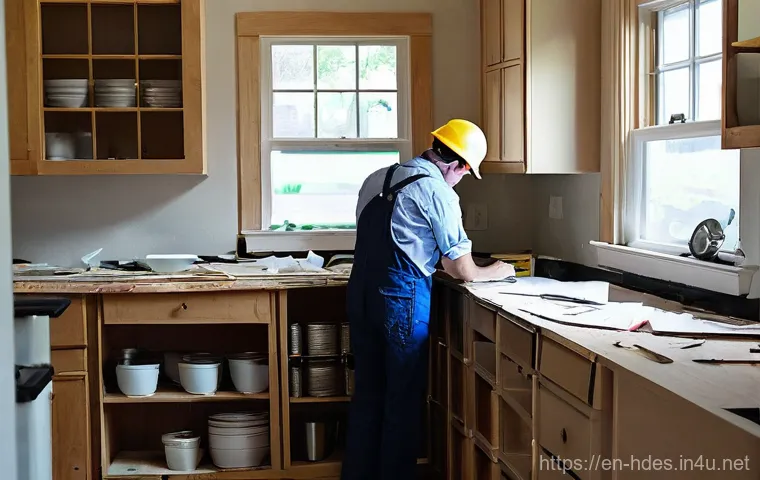
Ah, the exhilarating (and sometimes infuriating) world of learning by doing! We’ve all been there, confident that a project looks simple enough in a tutorial, only to find ourselves deep in the trenches, tools scattered, and things not quite fitting together.
DIY often involves a steep learning curve, and that usually means a lot of trial and error. From crooked shelves to uneven paint lines, or perhaps a wonky tile job, the imperfections can be disheartening.
I remember attempting to install a relatively simple floating shelf unit, only to drill too many holes, strip a few screws, and eventually have to patch and repaint a section of the wall.
It’s frustrating, time-consuming, and can even lead to costly mistakes where materials are ruined, or worse, structural damage occurs. While there’s immense satisfaction in overcoming these challenges, the journey itself can be a rollercoaster of emotions, often punctuated by moments of pure exasperation.
This learning-on-the-job approach means your first few attempts at certain tasks might not be up to professional standards, and sometimes, those initial mistakes can be permanent or very expensive to fix.
Precision and Perfection: The Hallmark of a Pro
In contrast, when you bring in a professional, you’re tapping into a wealth of accumulated skill and experience. They’ve already made all those beginner mistakes, so you don’t have to!
Their teams are often specialized: expert painters, meticulous tilers, skilled carpenters, each bringing their A-game to their specific craft. This means the execution is typically flawless, with an attention to detail that’s hard to replicate as a DIYer.
Lines are crisp, installations are seamless, and everything is fitted with precision. I’ve seen how a professional painter can transform a room with perfectly straight edges and an utterly smooth finish, or how a contractor can flawlessly integrate custom millwork.
It’s not just about doing the job; it’s about doing it *right* the first time, to the highest possible standard. This level of precision not only looks aesthetically superior but also contributes to the longevity and durability of your home improvements.
There’s a certain peace of mind that comes from knowing that the work is being done by experts who stand behind their craftsmanship, ensuring that your investment results in a truly polished and professional outcome.
Elevating Aesthetics: Good Enough vs. Jaw-Dropping Results
Achieving “Good Enough”: The Satisfaction of Your Own Hands
There’s an undeniable charm and a real sense of accomplishment that comes from seeing a project through with your own hands, even if it’s not absolutely perfect.
For many DIY enthusiasts, the goal isn’t always magazine-cover perfection, but rather the satisfaction of having created something functional and visually pleasing that reflects their personal effort.
It’s about that warm feeling you get when you look at a newly painted wall or a redesigned corner and think, “I did that!” The “good enough” standard often means accepting minor imperfections as part of the unique character of your home – a little quirk here, a slight variation there.
It’s less about flawless execution and more about the journey and the personal connection to your living space. This approach fosters a deep appreciation for your home, making it feel truly lived-in and loved, full of stories and your own creative spirit.
Sometimes, those slight imperfections are what make a home feel truly authentic and unique to you, avoiding the sterile feeling that can sometimes come with overly perfect, professionally designed spaces.
Designing for “Wow”: The Unmistakable Mark of a Professional
However, if your goal is to truly transform your space into something that elicits gasps of admiration – that “wow factor” – then a professional designer is usually your best bet.
They possess an innate ability to harmonize elements, understand the interplay of light and shadow, and select furnishings and finishes that create a cohesive, sophisticated, and often breathtaking aesthetic.
It’s more than just choosing nice items; it’s about curating an experience. I’ve walked into professionally designed homes and been absolutely floored by how every piece, every color, and every texture contributes to a grander narrative.
They know how to create focal points, balance visual weight, and use clever tricks of the trade to make small spaces feel expansive or large rooms feel intimate.
They can introduce unexpected elements that tie the whole design together in a way you never imagined possible. This results in a home that doesn’t just look “good enough” but truly feels elevated, luxurious, and uniquely tailored to achieve a specific emotional impact.
It’s the difference between a functional, pleasant space and one that truly inspires and delights, leaving a lasting impression on anyone who walks through the door.
The Long-Term Play: Resale Value and Durability
DIY’s Lasting Impact: Will It Stand the Test of Time (and Market)?
When thinking about home improvements, especially the larger, more involved ones, it’s always wise to consider the long game. What happens years down the line when you decide to sell?
While DIY projects can certainly add comfort and personalization to your current living situation, their impact on resale value can be a mixed bag. If the work is high-quality and aligns with general market preferences, it can certainly be a boon.
But honestly, if the craftsmanship is noticeably amateur, or if the design choices are overly personal or trendy without timeless appeal, it can actually deter potential buyers or even reduce your home’s value.
I’ve unfortunately seen homes where ambitious DIY renovations, despite the homeowner’s best intentions, looked unfinished or poorly executed, requiring future buyers to budget for costly fixes.
Durability is another factor. Will that DIY-installed flooring hold up as well as a professionally laid one? Will the paint job resist chipping in high-traffic areas?
These are critical questions to ask, because a project that saves you money now might cost you more in maintenance, repairs, or reduced resale appeal down the road.
Investing in Quality: Ensuring Enduring Appeal and Structural Soundness
This is where the professional advantage truly shines in the long run. Professional contractors and designers are focused not only on immediate aesthetics but also on the longevity and structural integrity of their work.
They use high-quality, durable materials and employ expert techniques that ensure everything from plumbing to cabinetry will stand the test of time. More importantly, professional renovations often come with warranties for both materials and labor, providing a safety net against future issues.
From a resale perspective, a professionally designed and executed home carries significant weight. Buyers are often willing to pay a premium for a home that boasts high-quality finishes, impeccable craftsmanship, and a cohesive, timeless design because it signals a move-in ready, hassle-free experience.
There’s no guessing game about the quality of the work; it’s visibly superior and backed by a professional reputation. This translates directly into a higher return on investment when you eventually decide to sell, as well as a more enjoyable, problem-free living experience for as long as you own the home.
It’s not just about looking good now; it’s about providing enduring value and peace of mind for years to come.
Wrapping Things Up
Whew, we’ve covered a lot today, haven’t we? Deciding between diving into a DIY home design project or calling in the pros is truly a deeply personal choice, and honestly, there’s no single right answer for everyone. It really boils down to what feels right for *your* budget, *your* available time, and how much you truly enjoy getting your hands dirty versus wanting a seamless, polished experience. My hope is that by exploring all these different facets—from cost to creativity, and time to overall finish—you feel a little more confident in making the decision that best suits your unique circumstances and design dreams.
Useful Tidbits to Keep in Mind
Sometimes, all it takes is a few smart pointers to help steer you in the right direction. Over my years of dabbling in home design and watching countless others embark on their journeys, I’ve picked up a few invaluable insights that I think you’ll find super helpful. Remember, every home project is a learning experience, and these little nuggets of wisdom can make yours a much smoother, and more rewarding, one.
1. Start Small, Think Big: If you’re leaning towards DIY, don’t feel pressured to tackle a whole-house renovation right off the bat. Begin with a smaller, manageable project like painting a single room, creating a gallery wall, or updating your light fixtures. This allows you to build confidence, learn new skills, and understand your own limits without overwhelming yourself. You can always scale up later once you’ve found your groove and assessed your true passion for the process. Think of it as a trial run—a low-stakes way to dip your toes into the creative waters and see if you truly enjoy the hands-on journey before committing to a larger, more complex undertaking.
2. Get Multiple Quotes: Whether you’re hiring for a small job or a major overhaul, always, always get at least three different quotes from professionals. This isn’t just about finding the lowest price; it’s about comparing communication styles, understanding different approaches to the project, and getting a feel for who you’d genuinely enjoy working with. A contractor might offer a lower price but have less clear communication, while another might be slightly more expensive but provide a comprehensive plan and stellar references. It helps you gauge fair market value and ensures you’re choosing someone whose expertise and personality align with your vision. Don’t be afraid to ask questions and trust your gut feeling after those initial conversations.
3. Budget for the Unexpected: This is my golden rule, especially for DIY projects, but it applies to professional services too! Always set aside an extra 10-20% of your total budget for unforeseen costs. Things happen—a wall might hide a plumbing issue, a material could be backordered, or you might simply change your mind about a fixture. Having that buffer saves you from stress and last-minute financial scrambling. It’s like having an emergency fund for your renovation; it gives you breathing room and prevents those unexpected hiccups from derailing your entire project and budget. Trust me, future you will thank present you for this foresight.
4. Define Your Vision Clearly: Before you even pick up a paintbrush or call a designer, spend some serious time clarifying what you want. Create mood boards, collect images, and articulate the feeling you want your space to evoke. For DIY, this provides a roadmap. For professionals, it gives them a solid foundation to work from, saving time and potential misunderstandings. The clearer you are on your desired outcome, the more likely you are to achieve it, whether you’re leading the charge or a professional is interpreting your dreams. This initial clarity can prevent costly changes mid-project and ensures everyone is literally on the same page.
5. Prioritize Durability and Functionality: While aesthetics are undeniably important, don’t let them overshadow practicality, especially in high-traffic areas. When choosing materials for flooring, countertops, or upholstery, think about how your family lives and what will stand the test of time. A beautiful, delicate fabric might look stunning, but if you have pets or young children, a durable, stain-resistant option might be a wiser long-term investment. Professionals are great at striking this balance, but even as a DIYer, keep longevity and ease of maintenance at the forefront of your decision-making. Your future self, who won’t be constantly cleaning or replacing worn-out items, will be incredibly grateful.
Key Takeaways
Ultimately, the journey to a beautifully designed home is a personal one, shaped by your preferences, resources, and vision. Whether you choose the empowering path of DIY or the polished efficiency of professional assistance, remember that each approach offers distinct advantages and challenges. The key is to be honest with yourself about your skills, time, and budget. While DIY can offer immense personal satisfaction and cost savings on the surface, it often demands a significant investment of time, a steep learning curve, and the acceptance of potential imperfections. On the other hand, hiring a professional, though a larger upfront investment, typically guarantees quality, efficiency, access to exclusive resources, and ultimately, a more refined and enduring result that often boosts long-term property value. Weigh your options carefully, trust your instincts, and enjoy the process of creating a space that truly feels like home, no matter who holds the paintbrush or design brief.
Frequently Asked Questions (FAQ) 📖
Q: When does it actually make sense to tackle a home design project yourself, and what kind of projects are best suited for DIY?
A: Oh, this is a question I get all the time, and it’s a really good one! Look, the satisfaction of standing back and admiring something you’ve created with your own two hands?
It’s absolutely priceless. DIY is usually a fantastic option when you have a good chunk of spare time, genuinely enjoy hands-on work, and the project isn’t going to compromise the safety or structural integrity of your home.
Think cosmetic upgrades – painting a room to reflect those gorgeous earthy tones that are so popular right now, swapping out outdated light fixtures for something with warm metallic finishes, or even installing some stylish shelving.
These kinds of projects are generally lower risk, and there are tons of tutorials out there to guide you. I’ve personally redone my guest bathroom vanity with a fresh coat of paint and new hardware, and while it took a few weekends, the transformation was incredible and saved me a ton of cash on labor.
Small-scale flooring, like laminate or vinyl plank, can also be quite manageable for a determined DIYer. The key is being honest with yourself about your skill level and patience.
If you’re itching to learn a new skill and the stakes aren’t too high, go for it! Just make sure you’re not dealing with anything that requires permits or could lead to major electrical or plumbing nightmares.
Q: I’m concerned about the overall cost. Does hiring a professional interior designer truly pay off in the long run, or is it just an added expense?
A: I totally get this hesitation! It feels counterintuitive to add a designer’s fee when you’re trying to manage a budget, right? But believe me, from what I’ve seen and heard from so many homeowners, bringing in a pro can actually be a brilliant financial move in the long run.
Designers save you precious time and, crucially, help you avoid those incredibly costly mistakes that can derail a DIY project, like buying the wrong-sized furniture or picking a paint color that looks completely different on your walls.
They have this uncanny ability to see the “big picture” and create a cohesive, functional space that you might not even realize is possible. Plus, they often have access to exclusive trade discounts on materials and furnishings that aren’t available to the general public, which can offset their fee significantly.
My friend, bless her heart, tried to source everything for her living room online and ended up with a hodgepodge of styles and pieces that didn’t quite fit, costing her more in returns and eventual replacements than if she’d just hired someone.
A designer’s expertise ensures your investment creates a timeless, valuable outcome, potentially even boosting your home’s resale value.
Q: What are some of those “hidden headaches” or unexpected costs that often pop up if I decide to go the DIY route for a bigger project?
A: Oh, honey, let me tell you, the phrase “hidden costs” isn’t just a marketing gimmick – it’s a harsh reality for many DIYers! While you might save on labor, the expenses can sneak up on you.
One of the biggest offenders is specialized tools and equipment. That tile saw or heavy-duty sander you need for one project? It’s not cheap to buy, and renting can add up if your project takes longer than expected, which, let’s be honest, DIY projects almost always do!
Then there’s the material waste from mistakes – buying too much, cutting incorrectly, or choosing the wrong type. I know a guy who had to completely reorder flooring because he miscalculated the square footage twice.
And let’s not forget the sheer time commitment. Your weekends and evenings can quickly disappear, turning what you hoped would be a fun project into a source of immense stress and exhaustion.
Beyond that, think about permits for structural or electrical work – ignoring those can lead to hefty fines or requiring you to redo work. And, heaven forbid, uncovering unexpected issues behind walls, like old wiring, plumbing problems, or even mold.
That’s a whole different ballgame and a real budget buster. It’s not just about the money; it’s about the mental and physical toll, too. So, always factor in a buffer for the unknown, and be prepared for potential detours!