From Vision to Empire How Female Home Designers Are Changing the Game

webmaster

홈디자인 분야의 여성 전문가 성장 사례 - **Prompt 1: The Budding Visionary in Her Sanctuary**
    A young woman in her late teens, dressed in...

Have you ever walked into a beautifully designed space and wondered about the magic behind it? Or perhaps you’ve dreamt of transforming your own home into that perfect sanctuary, a reflection of your true self.

The world of home design is buzzing right now, constantly evolving with exciting new trends like sustainable living, smart home integration, and creating spaces that truly nourish our souls.

It’s a field brimming with creativity, challenge, and immense satisfaction, especially when you see a vision come to life. I’ve personally seen firsthand how passion can ignite a career, turning a love for aesthetics into a thriving business, and it’s truly inspiring.

This is particularly true for women who are not just breaking ground but redefining what’s possible in this traditionally competitive industry. Their journeys are often filled with unique insights and invaluable lessons that can inspire us all to chase our own creative dreams.

If you’re curious about how a bold vision can transform into stunning reality, and what it truly takes to carve out a successful path in this dynamic world, then you’re in for a real treat.

Let’s explore the incredible growth story of a pioneering female home design expert and uncover her secrets to success in the exciting article below.

From Passion to Profession: The Spark of Inspiration

홈디자인 분야의 여성 전문가 성장 사례 - **Prompt 1: The Budding Visionary in Her Sanctuary**
    A young woman in her late teens, dressed in...

Early Influences and Discoveries

You know, there’s always that moment, isn’t there? That single, almost magical instant when something just *clicks* into place, and you realize what you’re truly meant to do.

For many of us, it starts as a simple hobby, a quiet passion nurtured in the background of our everyday lives. I’ve seen this happen countless times, and it’s always fascinating to watch.

For this incredible woman, it was a fascination with spaces, how they made people feel, and the sheer power of thoughtful arrangement. She’d spend hours poring over design magazines, sketching layouts, and even rearranging her own childhood room seemingly every other week, much to her parents’ bemusement.

It wasn’t just about making things look pretty; it was about understanding the flow, the light, the hidden potential in every corner. She possessed an innate ability to walk into a drab, uninspiring room and immediately envision its vibrant future.

This wasn’t something learned from a textbook; it was a deeply ingrained instinct, a kind of spatial intelligence that most of us only dream of possessing.

I remember her telling me once that every fabric swatch, every paint chip, held a story, and she felt compelled to bring those stories to life. This foundational love, cultivated from her earliest memories, became the bedrock upon which her entire successful career was built, long before she even considered it a “career.” It was simply who she was, a natural architect of beauty and function.

The Decision to Dive In

Taking the leap from a beloved hobby to a full-blown profession? That’s always the scariest part, isn’t it? It means trading the comfort of casual exploration for the demanding realities of business.

But there comes a point where the passion simply cannot be contained any longer, demanding a bigger canvas. For her, that moment arrived after years of friends and family constantly seeking her advice, marveling at her transformations, and insisting she *had* to do this professionally.

There’s nothing quite like external validation to give you that much-needed push, although, deep down, I believe she always knew this was her destiny.

I’ve personally experienced that internal wrestling match: the fear of failure pitted against the undeniable pull of a calling. She took a deep breath, invested in some initial courses, networked tirelessly, and started small, taking on projects that barely covered her costs but offered invaluable experience.

It was a bold move, stepping away from a more conventional path, but it was driven by an unshakeable belief in her unique perspective and the value she could bring.

That initial courage, that willingness to embrace the unknown, truly set the stage for everything that followed, showing that sometimes, the biggest risks yield the most extraordinary rewards.

Navigating the Labyrinth: Overcoming Early Hurdles in Design

Breaking Through the Noise

Starting out in any creative field is tough, but home design? It feels like everyone has an opinion, and the market can be incredibly saturated. How do you, as a fledgling designer, even begin to make your voice heard amidst all that noise?

It’s a question I’ve pondered myself in my own creative endeavors. She faced the classic challenges: a limited portfolio, no established client base, and the constant pressure to prove her worth.

I remember her telling me about those early days, how frustrating it was to pour her heart into conceptual designs only to have them overlooked. It felt like an uphill battle, trying to convince potential clients that her vision, though fresh and untested on a grand scale, was precisely what they needed.

It wasn’t just about talent; it was about persistence. She attended every local design event, offered pro bono work for non-profits just to build her book, and spent countless late nights refining her aesthetic.

This wasn’t glamorous work by any stretch, but it was essential. She learned to embrace every “no” as a redirection, pushing her to refine her pitch, hone her skills, and ultimately, find her ideal clientele who truly valued her unique approach.

It was a masterclass in resilience, showing that sustained effort truly does pay off.

Advertisement

Mastering the Business Side
Creative minds often find the business aspects of running a company to be the least appealing part of the job. And honestly, who can blame them? Dealing with contracts, budgeting, marketing, and client management can feel like a totally different language compared to the artistic freedom of design. I’ve seen so many talented individuals stumble here, letting their brilliant ideas get bogged down by administrative headaches. But our pioneering designer understood early on that a stunning portfolio alone wasn’t enough. She knew that to thrive, she needed to be as adept with spreadsheets as she was with color palettes. She immersed herself in learning about pricing structures, drafting solid agreements, and even diving into basic accounting. This wasn’t her passion, mind you, but she approached it with the same dedication she applied to design. She sought mentors, took online courses, and wasn’t afraid to ask for help when she felt out of her depth. This willingness to learn, adapt, and even conquer the less exciting parts of entrepreneurship was crucial. It transformed her from a talented artist into a savvy business owner, providing a stable foundation upon which her creative empire could confidently grow. This holistic approach is, in my experience, a non-negotiable for long-term success.

Crafting a Signature Style: The Art of Unique Vision

The Journey to Distinctiveness

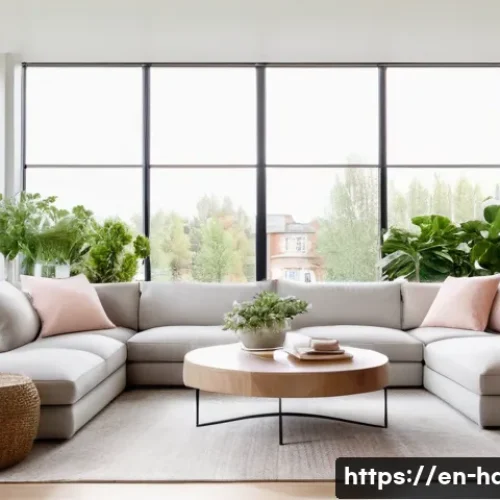
Every truly impactful designer has a signature, a recognizable flair that whispers, “That’s *their* work.” It’s not something you can just conjure up overnight; it’s a journey of exploration, refinement, and a deep understanding of who you are as a creative individual. For her, finding this distinct voice involved a lot of experimentation. I remember her describing how she’d sometimes feel pulled in different directions by various trends, trying to fit her style into what she thought clients *wanted*. But it was when she started listening to her own internal compass, trusting her gut instincts about color combinations, textures, and spatial relationships, that her true style began to blossom. She developed an incredible knack for blending modern minimalism with warm, organic elements, creating spaces that felt both sophisticated and incredibly inviting. Her designs are never cold or sterile; they always have a human touch, a sense of lived-in elegance. This distinctiveness wasn’t about being outlandish, but rather about a consistent, thoughtful approach that made her projects stand out. It’s a testament to the fact that authenticity, in design as in life, is truly magnetic.

Infusing Personality into Every Project
What sets a good designer apart from a truly great one? I’d argue it’s the ability to infuse a space with not just beauty, but personality—both the client’s and, subtly, their own. Our expert understood this intimately. She didn’t just impose her style on clients; she collaborated with them, digging deep to understand their lifestyle, their dreams, their daily routines. I’ve witnessed her magical ability to translate abstract ideas like “cozy but open” or “vibrant yet serene” into tangible design elements. She uses carefully curated pieces, often incorporating bespoke furniture or unique art finds, to tell a client’s story. It’s like she’s a conductor, orchestrating a symphony of textures, colors, and forms to create a harmonious whole. One client I spoke with raved about how her home, designed by this expert, felt “more *them* than they even knew possible.” This isn’t just about picking out pretty things; it’s about a deep empathy and an almost psychological understanding of how people interact with their environment. The result is always a space that feels deeply personal, comfortable, and unequivocally stylish, a true reflection of the inhabitants, elevated by her expert touch.

Building a Brand: More Than Just Pretty Pictures

Advertisement

Strategic Storytelling
In today’s digital landscape, having a stunning portfolio isn’t enough; you need to tell a compelling story, one that resonates with your ideal clients and establishes you as an authority. I’ve often seen designers struggle with this, focusing solely on the visual without crafting a narrative. Our pioneering expert understood that her brand wasn’t just a logo or a collection of beautiful images; it was the entire experience she offered, from the first consultation to the final reveal. She meticulously documented her projects, not just with professional photography, but by sharing the *process*—the challenges, the solutions, the thoughtful decisions behind each element. This transparency and authenticity allowed her audience to connect with her on a deeper level, building trust and demonstrating her expertise. She used social media not just to showcase finished work but to share insights, design tips, and glimpses into her philosophy. It was like she was inviting people into her world, making them feel like they were part of the creative journey. This strategic storytelling created an emotional connection that went far beyond aesthetics, converting casual admirers into loyal clients and advocates.

Cultivating a Community
A truly successful brand fosters a community, a group of people who are not just customers, but genuine fans and supporters. This is where our expert truly shone. She didn’t just aim to complete projects; she aimed to build relationships, not only with her clients but also with fellow designers, artisans, and suppliers. I’ve watched her nurture these connections with genuine care, understanding that collaboration and mutual support are far more powerful than isolated competition. She hosted small, intimate events, participated in design panels, and generously shared her knowledge, positioning herself not just as a service provider but as a thought leader in the industry. Her online presence became a hub for design enthusiasts, a place where people felt inspired and engaged. This commitment to community-building generated incredible word-of-mouth referrals – the holy grail of client acquisition. People didn’t just hire her for her design skills; they hired her because they trusted her, respected her, and felt a part of the world she was creating. It’s a powerful lesson in the value of human connection in a sometimes impersonal business world.

Impact and Innovation: Redefining Spaces and Lives

Designing for a Better Life
At its core, design isn’t just about making things look good; it’s about making life better. And I truly believe that the most profound impact a designer can have is on the well-being and daily experience of those who inhabit the spaces they create. This philosophy is deeply embedded in every project our female design expert undertakes. She doesn’t just ask about preferred colors or furniture styles; she delves into how a family lives, what brings them joy, what challenges they face in their current environment. I’ve seen her transform chaotic living areas into serene retreats, cramped kitchens into vibrant hubs of family activity, and dark bedrooms into sanctuaries of calm. It’s not magic; it’s a deep understanding of human psychology and how environmental factors profoundly influence mood, productivity, and overall happiness. One client famously told me that after their home renovation, “it felt like a weight had been lifted,” impacting not just their daily routines but their family dynamics too. This isn’t just about aesthetics; it’s about creating functional, beautiful backdrops that actively enhance the quality of life for her clients. It’s a truly inspiring mission, and one she fulfills with remarkable consistency.

Embracing Future Trends
The design world is always in motion, constantly evolving with new materials, technologies, and philosophical approaches. Staying stagnant is simply not an option for true pioneers, and she exemplifies this dedication to growth. Our expert is always on the cutting edge, keenly observing emerging trends like biophilic design, smart home integration, and ultra-sustainable practices. What’s truly impressive is how she integrates these innovations thoughtfully, rather than just chasing fads. For instance, her approach to sustainable design isn’t just about using recycled materials; it’s about creating energy-efficient spaces, minimizing waste throughout the design process, and sourcing locally whenever possible. She understands that technology isn’t just for convenience; it can enhance comfort, security, and even mood when integrated seamlessly. I’ve seen her incorporate everything from intuitive lighting systems that adjust to circadian rhythms to bespoke, handcrafted pieces from local artisans. It’s this forward-thinking yet grounded approach that keeps her work fresh, relevant, and continually pushing the boundaries of what home design can achieve. She’s not just following the future; she’s actively shaping it.

The Power of Connection: Client Relationships as Cornerstones

Advertisement

Beyond the Blueprint
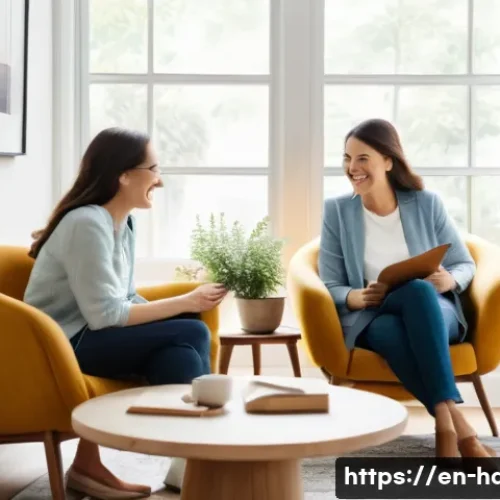
In any service-based industry, the relationship with your client is paramount, but in home design, where you’re often delving into deeply personal spaces and aspirations, it becomes even more critical. It’s about building trust, creating a sense of psychological safety where clients feel comfortable sharing their true needs and even their vulnerabilities. I’ve often observed how she approaches initial consultations, not just as information-gathering sessions, but as opportunities to truly *connect* with people. She doesn’t just show up with a tape measure; she brings genuine curiosity and an empathetic ear. It’s like she’s trying to understand their very soul before she even considers the physical dimensions of their home. This goes far beyond discussing blueprints or material samples. She understands that embarking on a home design project is a significant emotional investment for clients, often representing dreams, life changes, and considerable financial outlay. Her ability to navigate these emotional landscapes with grace and professionalism is, in my opinion, one of her greatest strengths, forging bonds that extend well beyond the project’s completion.

Nurturing Trust and Collaboration
Trust is the bedrock of any successful partnership, and in the intricate dance of home design, it’s absolutely non-negotiable. Clients are essentially handing over their most intimate spaces, often their largest financial asset, to your vision. I’ve seen firsthand how our expert cultivates this trust, not just through her impeccable design skills, but through consistent communication, transparency, and an unwavering commitment to her client’s best interests. She’s an exceptional listener, making sure every client feels heard and understood, even when their ideas might seem a little hazy at first. She communicates clearly, setting realistic expectations, explaining processes, and always being available to address concerns. It’s a collaborative process, where she guides and informs without ever dictating. This respectful and inclusive approach ensures that clients feel like active participants, not just passive recipients, in the transformation of their homes. This level of rapport often leads to repeat business and enthusiastic referrals, a testament to the fact that building strong relationships is as vital as the stunning final product.

Scaling New Heights: Expanding Influence and Legacy

From Solopreneur to Leader
It’s one thing to be a brilliant solo designer, but it’s an entirely different challenge to scale that brilliance, to build a team, and to transition from being the sole creative force to a visionary leader. This is a hurdle I’ve seen many entrepreneurs face, and it demands a whole new set of skills. Our expert, however, embraced this evolution with characteristic determination. She understood that to take on larger, more complex projects and to serve more clients, she couldn’t do it all herself. She meticulously sought out talented individuals who not only shared her passion for design but also aligned with her core values of integrity and client-centricity. I remember her telling me about the delicate balance of delegating while maintaining quality control, of empowering her team members to flourish while upholding her brand’s signature aesthetic. It’s a true art form, cultivating a team that can execute a shared vision flawlessly. This growth from a passionate individual into a respected leader of a thriving design studio is perhaps one of the most impressive aspects of her journey, proving that true success lies not just in personal achievement, but in the ability to inspire and uplift others.

Crafting a Lasting Legacy
What does it truly mean to leave a legacy in the world of design? It’s more than just a portfolio of stunning projects or a healthy bottom line. It’s about the lasting impact you have on the industry, on your community, and on the lives you touch. Our pioneering female designer isn’t just building beautiful homes; she’s building a reputation for excellence, innovation, and ethical practice that will endure for years to come. She actively mentors aspiring designers, sharing her insights and encouraging them to find their own unique paths. She participates in industry initiatives, advocating for better standards and more sustainable practices. Her designs, characterized by their timeless elegance and thoughtful functionality, will stand the test of time, continuing to inspire long after they are completed. It’s a powerful testament to the idea that business can be about more than just profit; it can be about purpose. And in her case, that purpose is to elevate the art of living, one meticulously designed space at a time, leaving an indelible mark on the landscape of home design.

Aspect of Success Key Elements Employed by the Expert Impact and Outcome
Vision & Authenticity Developed a unique blend of modern minimalism with organic warmth; trusted personal aesthetic over fleeting trends. Distinctive brand identity; client spaces felt personal and elevated.
Business Acumen Proactively learned contracts, budgeting, and client management; sought mentors for strategic guidance. Stable operational foundation; sustained growth and profitability.
Client Relationships Deep empathy and active listening; transparent communication and collaborative approach. High client satisfaction; strong referral network and repeat business.
Innovation & Adaptability Thoughtfully integrated sustainable practices and smart home technology; embraced evolving design philosophies. Stayed relevant and forward-thinking; created efficient and modern spaces.
Leadership & Mentorship Built a cohesive, values-driven team; mentored aspiring designers. Enabled scalable growth; positively influenced the next generation of designers.

Wrapping Up Our Journey

Whew! What a ride it’s been, diving into the incredible journey of a design expert who truly carved out her own path. It’s always so inspiring to trace the steps from a nascent passion to a full-blown, thriving career, isn’t it? As an influencer who lives and breathes this creative world, I’ve seen countless stories unfold, but hers truly exemplifies the magic that happens when talent meets unwavering dedication and a genuine love for what you do. It’s a powerful reminder that while the journey might be filled with twists and turns, the heart of any truly successful venture lies in staying authentic, building real connections, and continuously evolving. More than just beautiful spaces, she built a legacy of trust and inspired living, showing us all that our work can be so much more than just a job; it can be a profound contribution to the lives of others.

Advertisement

Handy Tips to Keep in Mind

1. Don’t be afraid to niche down and specialize. While it might feel counterintuitive at first, focusing on a specific style or type of project can actually help you stand out in a crowded market and attract clients who truly resonate with your unique vision. When I first started out, I tried to be everything to everyone, and it only diluted my message. Finding my niche changed everything.

2. Prioritize learning the business side of things, even if it feels less “creative.” Understanding contracts, budgeting, and marketing isn’t just administrative; it’s the backbone that allows your creative work to flourish sustainably. I know, spreadsheets aren’t as fun as mood boards, but trust me, they’re just as crucial for long-term success.

3. Actively cultivate a strong network. Connect with fellow creatives, potential collaborators, and mentors. These relationships can provide invaluable support, fresh perspectives, and unexpected opportunities that you might never find working in isolation. It’s not just about what you know, but often, who you know and how you connect.

4. Always put the client’s needs and experience first. Design is deeply personal, and truly listening to and understanding your clients builds immense trust and ensures the final outcome is not just beautiful, but perfectly suited to their lives. A happy client isn’t just a one-time project; they’re a future referral and a testament to your excellent work.

5. Embrace continuous learning and adaptability. The world, and especially the creative industry, is always changing. Staying curious about new trends, technologies, and even different design philosophies keeps your work fresh and ensures you remain an expert in your field. It prevents stagnation and keeps the passion alive!

Key Takeaways

Reflecting on this inspiring journey, several key principles really stand out. First, genuine passion is the fuel that drives true excellence and helps you navigate the inevitable challenges. Second, success isn’t solely about artistic talent; it’s intricately woven with shrewd business acumen, a willingness to learn, and the discipline to manage your operations effectively. Third, building authentic, trust-based relationships with clients and a supportive community is paramount. It’s these connections that often lead to the most fulfilling projects and sustained growth. Finally, a commitment to innovation, quality, and a client-centric approach ensures not only a thriving business but also a lasting legacy in your chosen field. It’s a powerful blueprint for anyone looking to turn their creative dreams into a remarkable reality.

Frequently Asked Questions (FAQ) 📖

Q: I’m really inspired by the idea of creating a home that truly reflects who I am. How can I start incorporating these current trends, like sustainable living or smart home tech, into my space without losing my unique personal touch?

A: Oh, I totally get it! That feeling of walking into a space that just feels right, that resonates with your soul – it’s powerful, isn’t it? From my own experience, the trick isn’t just about chasing the latest trends, but weaving them into your personal narrative.
For example, when we talk about sustainable living, it’s not just about solar panels, although those are amazing! It can be as simple as choosing vintage furniture pieces that tell a story, or investing in natural, durable materials like reclaimed wood for a coffee table, or even just filling your space with plants that purify the air.
I’ve found that focusing on what you genuinely love, what brings you joy, makes all the difference. Maybe you’re obsessed with hygge? Bring in soft textures, warm lighting, and cozy throws.
If smart home tech feels intimidating, start small. A smart speaker for music, or automated lighting that sets a mood can transform your evenings without feeling overwhelming.
The key is to ask yourself, “Does this make my heart sing?” If it does, then it’s probably perfect for your sanctuary. Don’t be afraid to experiment, and remember, your home is a living, breathing canvas that evolves with you!

Q: The article mentioned how challenging and incredibly rewarding a career in home design can be, especially for women. For someone like me, who’s passionate about aesthetics but unsure where to start, what’s the most crucial piece of advice you’d give to break into this exciting field?

A: That’s a fantastic question, and one I hear all the time from budding designers! If you’re a woman looking to make your mark, the absolute first thing I’d tell you is to cultivate your unique voice and vision.
In a world full of Pinterest boards, clients are genuinely looking for that fresh perspective, that aha! moment only you can provide. Don’t just follow; innovate.
I’ve seen firsthand that the most successful women in this industry aren’t just good at design; they’re brilliant storytellers. They can articulate their vision, connect with clients on an emotional level, and aren’t afraid to push boundaries.
Start by building a killer portfolio, even if it’s just projects you’ve done for friends and family, or even hypothetical designs for spaces you adore.
Get really good at visualizing and communicating your ideas. Network like crazy – go to local design shows, connect with contractors, real estate agents, and other designers.
Learn the business side, too, because creativity needs a solid foundation to truly flourish. And honestly? Believe in yourself fiercely.
Your unique blend of intuition, empathy, and aesthetic sense is your superpower in this field.

Q: You talked about the “secrets to success” of a pioneering female home design expert. What do you think is the biggest differentiator or “secret sauce” that allows someone to not just survive but truly thrive and redefine what’s possible in such a competitive industry?

A: Ah, the “secret sauce”! If I had to boil it down, based on everything I’ve observed and experienced, it’s a blend of unwavering passion, relentless adaptability, and a genuine commitment to the client’s experience.
It’s not just about having a great eye; it’s about having a profound understanding of human behavior and how spaces impact well-being. The pioneering experts I admire most?
They don’t just design beautiful rooms; they design lifestyles. They ask the deeper questions: How do you want to feel when you walk into this room? What memories do you want to create here?
This deep dive into the client’s psyche, combined with an ability to anticipate trends and seamlessly integrate new technologies, sets them apart. They’re also phenomenal problem-solvers.
Every project has its curveballs, and the best designers pivot with grace and ingenuity. Plus, and this is key, they continuously invest in themselves – learning new software, attending workshops, staying hungry for knowledge.
It’s that combination of artistic vision, business acumen, and a deep, empathetic connection with their clients that truly transforms a good designer into a trailblazer.

📚 References

➤ 6. Impact and Innovation: Redefining Spaces and Lives


– 6. Impact and Innovation: Redefining Spaces and Lives


➤ Designing for a Better Life

– Designing for a Better Life

➤ At its core, design isn’t just about making things look good; it’s about making life better. And I truly believe that the most profound impact a designer can have is on the well-being and daily experience of those who inhabit the spaces they create.

This philosophy is deeply embedded in every project our female design expert undertakes. She doesn’t just ask about preferred colors or furniture styles; she delves into how a family lives, what brings them joy, what challenges they face in their current environment.

I’ve seen her transform chaotic living areas into serene retreats, cramped kitchens into vibrant hubs of family activity, and dark bedrooms into sanctuaries of calm.

It’s not magic; it’s a deep understanding of human psychology and how environmental factors profoundly influence mood, productivity, and overall happiness.

One client famously told me that after their home renovation, “it felt like a weight had been lifted,” impacting not just their daily routines but their family dynamics too.

This isn’t just about aesthetics; it’s about creating functional, beautiful backdrops that actively enhance the quality of life for her clients. It’s a truly inspiring mission, and one she fulfills with remarkable consistency.


– At its core, design isn’t just about making things look good; it’s about making life better. And I truly believe that the most profound impact a designer can have is on the well-being and daily experience of those who inhabit the spaces they create.

This philosophy is deeply embedded in every project our female design expert undertakes. She doesn’t just ask about preferred colors or furniture styles; she delves into how a family lives, what brings them joy, what challenges they face in their current environment.

I’ve seen her transform chaotic living areas into serene retreats, cramped kitchens into vibrant hubs of family activity, and dark bedrooms into sanctuaries of calm.

It’s not magic; it’s a deep understanding of human psychology and how environmental factors profoundly influence mood, productivity, and overall happiness.

One client famously told me that after their home renovation, “it felt like a weight had been lifted,” impacting not just their daily routines but their family dynamics too.

This isn’t just about aesthetics; it’s about creating functional, beautiful backdrops that actively enhance the quality of life for her clients. It’s a truly inspiring mission, and one she fulfills with remarkable consistency.


➤ Embracing Future Trends

– Embracing Future Trends
Advertisement

홈디자인 분야의 여성 전문가 성장 사례 - **Prompt 2: Strategic Design: Mastering the Canvas and the Numbers**
    A confident female interior...