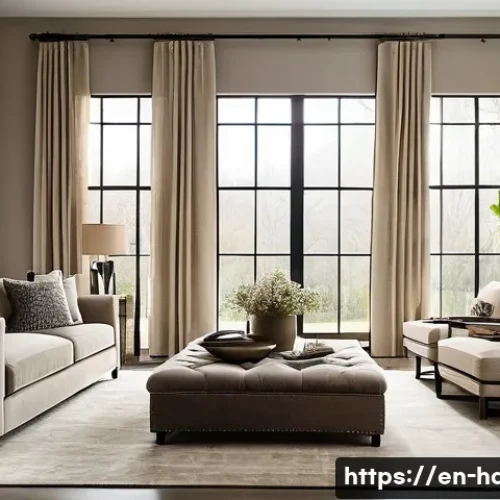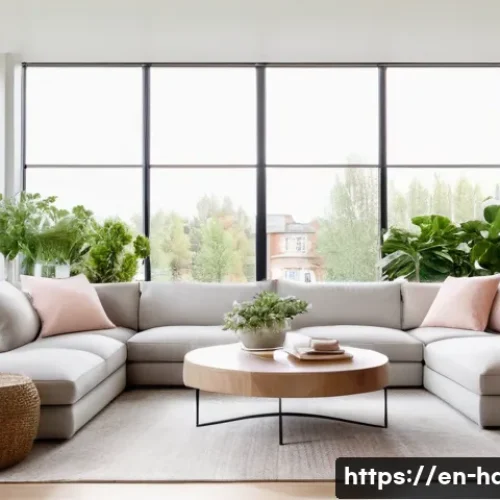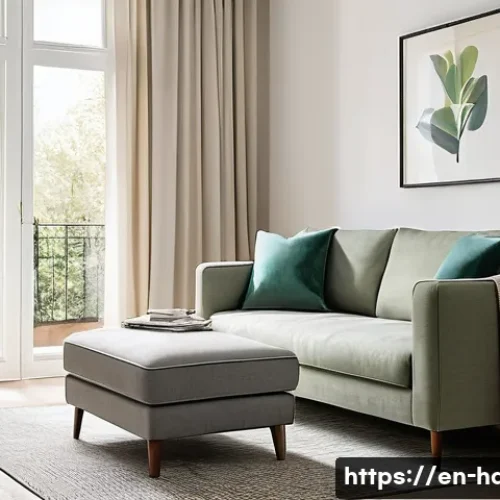
Hey there, fellow home design enthusiasts! It’s incredible how a few thoughtful changes can completely transform a space, right? I’m always on the hunt for inspiration, whether it’s scrolling through stunning transformations on social media or diving deep into sustainable material trends.
And let me tell you, after years of personal projects and watching countless others bring their visions to life, I’ve gathered some truly game-changing insights.
From the initial spark of an idea to the satisfying reveal, navigating a home remodeling project can feel like a roller coaster. But what if you could sidestep the common pitfalls and fast-track your way to a stunning, functional, and deeply personal living space?
We’re living in an exciting era where smart home tech is more accessible than ever, and embracing eco-friendly design isn’t just a trend—it’s becoming a lifestyle.
I’ve personally experimented with everything from clever storage solutions that declutter small spaces to integrating discreet smart lighting systems that adapt to my mood.
This isn’t just about aesthetics; it’s about creating an environment that genuinely enhances your daily life and reflects who you are. So, if you’re dreaming of that perfect kitchen overhaul, a serene bedroom retreat, or perhaps just a few impactful updates to boost your home’s value and appeal, you’ve come to the right place.
Ready to get inspired and learn from some truly successful home design remodeling projects? Let’s uncover exactly how to make your dream home a magnificent reality.
Mastering Your Remodel Budget and Timeline

Diving into a home remodel without a clear budget is like sailing without a compass – you’re bound to get lost, or worse, shipwrecked! I’ve seen it happen countless times, both to friends and even, dare I admit, a minor hiccup or two in my early days. The key to a stress-free transformation truly lies in meticulous planning and realistic expectations. Before you even think about knocking down walls, sit down and map out every potential cost, from materials and labor to those inevitable unforeseen expenses. I always advise adding a 10-15% contingency fund, because trust me, something always pops up. Maybe a pipe isn’t where you thought it was, or you fall in love with a slightly pricier tile – that buffer saves you from sleepless nights. It’s not just about the money either; setting a realistic timeline is equally crucial. Getting excited and expecting a full kitchen reno in two weeks is a recipe for disappointment. Work with your contractor to establish a phased schedule, understanding that some delays are simply part of the process. This upfront effort might feel tedious, but it’s the bedrock of a successful and satisfying project. Personally, I found using a simple spreadsheet to track every penny and every deadline made a world of difference in keeping me sane and on track.
Realistic Cost Allocation
When you’re breaking down your budget, it’s easy to focus on the flashy stuff like new countertops or appliances. However, a significant chunk of your funds will go to less glamorous but absolutely essential elements like demolition, plumbing, electrical work, and flooring. I usually suggest allocating around 40% for labor, 30% for materials, and the remaining 20% for fixtures, finishes, and those crucial contingency funds. Don’t forget permit fees either – they vary widely by location but are non-negotiable. Getting multiple quotes from different contractors isn’t just about saving money; it’s about understanding the market rate for your project and finding someone whose bid aligns with your expectations and who you feel comfortable entrusting with your home. Always ask for a detailed breakdown, not just a lump sum. This transparency allows you to compare apples to apples and make informed decisions, preventing any nasty surprises down the line.
Setting Achievable Project Milestones
Breaking your remodel into smaller, manageable milestones makes the whole process feel less daunting. Instead of thinking of it as “the kitchen remodel,” frame it as “demolition phase complete,” “new cabinetry installed,” “countertops in,” and “appliance hook-up.” This not only helps you track progress but also provides mini-victories that boost morale – yours and your contractor’s! I’ve found that weekly check-ins with your team, even quick ten-minute chats, are invaluable for staying aligned and addressing issues before they become major problems. A good contractor will proactively communicate, but it’s your home, so don’t be shy about asking questions and staying engaged. Remember, a remodel is a marathon, not a sprint, and celebrating those small steps makes the journey much more enjoyable.
Embracing the Power of Smart Home Integration
Okay, let’s talk tech, because if you’re not thinking about smart home integration in your remodel, you’re genuinely missing out on something amazing! I remember when smart homes felt like something out of a sci-fi movie, but now, it’s just so accessible and practical. My personal experience with smart lighting has been a game-changer; being able to dim the lights, change colors for ambiance, or even have them turn on automatically as I walk in, all from my phone or a voice command, adds such a luxurious touch to daily life. It’s not just about convenience, though. Smart thermostats can learn your habits and save you a significant amount on energy bills, while smart security systems offer peace of mind whether you’re home or away. I’ve heard countless stories from friends who wished they’d thought about pre-wiring for smart devices during their major renovation, only to face headaches and visible wires later. So, whether it’s integrated speakers for seamless music throughout your home, smart blinds that adjust with the sun, or even a smart fridge that helps manage your groceries, plan for it upfront. The beauty is that you can start small and expand later, but having the infrastructure in place makes all the difference.
Seamless Lighting and Climate Control
Imagine walking into a perfectly lit, comfortably warm home on a chilly evening, without lifting a finger. That’s the magic of integrated smart lighting and climate control. I’ve personally experimented with various systems, and the ability to schedule lights, set scenes for different moods (think “movie night” or “dinner party”), and even detect occupancy to save energy is just fantastic. Modern smart thermostats do more than just adjust temperature; many learn your schedule, detect when you’re away, and optimize energy usage, often saving you a good chunk of change over time. When planning your remodel, think about how light and temperature can enhance specific areas. For instance, smart dimmers in a bedroom create a serene retreat, while automated shades in a living room can manage natural light and glare throughout the day. It’s about creating an environment that intuitively adapts to your needs, making your home truly feel like an extension of you.
Enhanced Security and Connectivity
Modern home remodels aren’t just about aesthetics; they’re about creating a safer, more connected living space. Integrating smart security cameras, door locks, and alarm systems during a renovation can be incredibly efficient. No more clunky wires or external sensors that stick out! I’ve seen how discreetly mounted cameras and smart locks that can be controlled remotely provide immense peace of mind. Beyond security, consider how you’ll use Wi-Fi and network connectivity. In today’s world, a robust, evenly distributed Wi-Fi signal is as essential as electricity. Planning for strategically placed access points or even a mesh network during a remodel ensures every corner of your home, including those new extensions, has strong, reliable internet. This foresight prevents frustrating dead zones and ensures all your smart devices, from TVs to tablets, work flawlessly.
Sustainable Choices: Designing for a Greener Future
I don’t know about you, but I’ve become increasingly passionate about making eco-conscious choices, especially when it comes to my home. It’s not just a trend; it’s a responsibility, and honestly, many sustainable options look absolutely stunning! When I was renovating my guest bathroom, I spent ages researching low-flow toilets and recycled glass tiles, and the result was not only beautiful but also something I felt really good about. Embracing sustainability in your remodel means thinking long-term: energy efficiency, water conservation, and using materials that are kind to our planet. It’s about creating a healthier living environment for your family and reducing your carbon footprint. From reclaimed wood floors that tell a story to energy-efficient windows that slash your heating and cooling bills, there are so many innovative ways to go green. And guess what? Many of these choices also offer financial benefits in the long run. It truly is a win-win, and honestly, incorporating these elements makes a home feel more thoughtful and cared for. You’re not just building a house; you’re building a legacy of mindful living.
Eco-Friendly Materials That Wow
The world of sustainable materials has come so far, and honestly, some of them are incredibly stylish and durable. Forget about sacrificing aesthetics for ethics! I’ve been blown away by options like bamboo flooring, which grows incredibly fast and offers a unique, modern look, or recycled content countertops made from materials like glass or even paper composite. And let’s not forget about low-VOC paints and finishes, which dramatically improve indoor air quality – something I’m super conscious about, especially with pets around. When you’re choosing materials, ask your contractor or supplier about their origins and environmental impact. Look for certifications like FSC for wood products, indicating responsible forestry. Opting for locally sourced materials whenever possible also reduces transportation costs and carbon emissions. It might take a little more research, but the satisfaction of knowing your home is built with the planet in mind is absolutely priceless.
Energy and Water Efficiency Upgrades
Making your home more energy and water-efficient during a remodel is one of the smartest investments you can make, both for the environment and your wallet. I’m a huge advocate for upgrading to ENERGY STAR certified appliances; they use significantly less electricity and water, which translates directly to lower utility bills. And don’t even get me started on insulation! Improving your home’s insulation, especially in attics and walls, creates a much more comfortable living space and dramatically reduces energy waste. For water, consider low-flow showerheads, toilets, and faucets. You’d be amazed at how much water these simple upgrades can save over time. Rainwater harvesting systems for irrigation are another fantastic option for those serious about water conservation. These choices not only reduce your environmental impact but also boost your home’s value and appeal to future buyers who are increasingly prioritizing sustainable living.
Kitchen and Bathroom Transformations: High-Impact Upgrades
If there are two rooms that truly sell a house, or at least make you fall in love with your own home all over again, it’s the kitchen and the bathroom. I’ve personally experienced the sheer joy of transforming a dated, cramped kitchen into a bright, open, and super functional space that just begs for gatherings. These rooms are often the most complex to remodel because of plumbing and electrical considerations, but the payoff is immense. Think about it: we spend so much time in our kitchens, whether cooking, eating, or socializing, and our bathrooms are personal sanctuaries. Investing in smart layouts, quality materials, and efficient fixtures in these areas dramatically improves daily life and adds significant value to your property. Don’t just think about aesthetics; consider workflow in the kitchen (the “work triangle” is still a thing!), and storage solutions in both. My biggest piece of advice? Don’t skimp on professional design help for these critical spaces. A good designer can optimize every inch and introduce ideas you never would have thought of, turning a good renovation into an outstanding one.
Modern Kitchen Layouts and Smart Storage
The days of segregated, closed-off kitchens are mostly behind us. Modern kitchen design embraces open-concept living, fostering connection and flow. When I helped a friend plan her kitchen remodel, we focused heavily on creating an island that served as both a prep area and a casual dining spot, perfectly bridging the kitchen and living room. It’s all about maximizing space and making it multi-functional. Beyond layout, smart storage is a game-changer. Think pull-out pantries, deep drawers for pots and pans, hidden spice racks, and even appliance garages that keep countertops clutter-free. I’ve found that careful planning of cabinetry and storage solutions from the outset makes a kitchen not just beautiful, but incredibly efficient and a joy to cook in. These are the details that truly elevate a kitchen from simply functional to utterly fabulous.
Spa-Like Bathroom Retreats
Your bathroom should be more than just a functional space; it should be a personal retreat, a place to unwind and rejuvenate. When planning a bathroom remodel, I always encourage clients to think about creating a spa-like atmosphere. This could mean a walk-in shower with multiple showerheads or even a rain shower, luxurious soaking tubs, and heated floors – oh, those heated floors on a cold morning are pure bliss! Thoughtful lighting, perhaps with dimmers, and ample storage for toiletries keep the space serene and clutter-free. Don’t underestimate the impact of good ventilation either, which is crucial for preventing mold and maintaining air quality. Investing in high-quality fixtures and finishes, even if it’s a slightly higher upfront cost, pays off in durability and a consistently luxurious feel that makes every day feel a little more pampered.
Crafting Your Personal Aesthetic: More Than Just Trends
Walking into a home that genuinely reflects its owners is just the best, isn’t it? It has that indescribable “feel” that goes beyond just pretty decor. I’ve seen countless homes beautifully remodeled, but the ones that truly stand out are those that exude personality and a unique aesthetic, not just follow the latest Pinterest trend. When you’re planning your remodel, take a moment to really dig deep and ask yourself: What colors make me feel calm? What textures do I gravitate towards? What stories do I want my home to tell? This isn’t about blindly copying a magazine spread; it’s about curating a space that resonates with your soul. I remember agonizing over choosing the perfect shade of grey for my living room, testing at least five samples before finding the one that felt just right – and it was so worth it. Your home should be your sanctuary, a place where you feel completely yourself, and every design choice, from the biggest structural change to the smallest throw pillow, should contribute to that feeling. Don’t be afraid to mix and match styles, incorporate sentimental pieces, and let your unique story shine through. This is where your home becomes truly magnificent.
Discovering Your Unique Style Profile

Sometimes, figuring out your personal style can feel a bit overwhelming, especially with so many beautiful options out there. But trust me, it’s a journey of discovery that’s incredibly rewarding. I always tell people to start by gathering inspiration from everywhere – not just home magazines, but travel photos, fashion, art, even nature. What elements consistently catch your eye? Create mood boards, either digitally on platforms like Pinterest or old-school with physical cutouts. Look for common themes: is it rustic charm, minimalist elegance, bohemian warmth, or industrial chic? Don’t be afraid to combine elements from different styles to create something uniquely yours. For example, I adore the clean lines of modern design but can’t resist a touch of cozy, vintage charm, so I found ways to blend them seamlessly. It’s about finding that sweet spot where different elements complement each other, resulting in a cohesive yet deeply personal look that makes your heart sing.
Incorporating Personal Touches and Heirloom Pieces
The true magic of a well-designed home lies in the details – the personal touches that tell your story. During a remodel, it’s easy to get caught up in buying all new everything, but some of the most impactful design elements are often those with sentimental value. Do you have a beloved antique dresser from your grandparents? Instead of replacing it, think about how it can be refinished and integrated into your new design, perhaps as a unique bathroom vanity or a statement piece in a hallway. Artwork collected from your travels, family photos, or even books that hold special meaning can transform a sterile space into a warm and inviting home. I always make sure to leave room for these items, allowing them to shine amidst the newness. These personal treasures are what prevent your home from looking like a showroom and infuse it with warmth, history, and character – making it authentically yours.
Optimizing Space: Clever Solutions for Every Nook
One of the biggest complaints I hear, especially from folks in urban areas, is the constant struggle for more space. And let’s be real, tearing down walls to expand isn’t always an option. That’s where clever space optimization comes in, and honestly, it’s one of my favorite challenges! I’ve personally experimented with everything from built-in shelving that disappears into a wall to furniture that serves multiple purposes, and the results can be truly astonishing. It’s about thinking vertically, utilizing awkward corners, and choosing pieces that don’t overwhelm a room. For example, a small entryway can feel expansive with a floating console table and a strategically placed mirror. Or that awkward alcove in the living room? It could become a cozy reading nook with a built-in bench and some smart lighting. Don’t resign yourself to feeling cramped; with a bit of ingenuity and smart design, you can make every square foot work harder for you. It’s not about adding more space, but about making the space you have feel bigger, brighter, and more functional. Trust me, decluttering alone can make a room feel twice its size!
Multi-Functional Furniture and Built-Ins
When space is at a premium, your furniture needs to pull double duty, or even triple duty! I’m a huge fan of pieces like ottomans with hidden storage, sofa beds for guest flexibility, or dining tables that can expand to accommodate a crowd and then shrink back for daily use. But where you can really make a difference during a remodel is with custom built-ins. These are truly a game-changer because they can be designed to fit your exact needs and maximize every inch. Think floor-to-ceiling bookshelves that wrap around a window, transforming a plain wall into a functional library and cozy reading spot. Or built-in window seats with drawers underneath that offer both seating and storage. These solutions often look much cleaner and more integrated than freestanding units, making a room feel larger and more streamlined. It’s an investment, yes, but the added functionality and seamless aesthetic are well worth it, especially in smaller homes or apartments.
Vertical Storage and Decluttering Strategies
We often forget about the goldmine of storage available above eye level! Vertical space is your best friend when you’re looking to optimize a small area. I’ve found that installing tall, narrow shelving units, or even just adding shelves above doorways or windows, can provide an incredible amount of storage without encroaching on precious floor space. Think about pegboards in a kitchen or craft room for hanging utensils and tools, or floor-to-ceiling cabinetry in a bathroom for linens and supplies. And let’s be honest, regardless of how much storage you create, a good decluttering strategy is paramount. Before embarking on any remodel, go through every item in your home. Ask yourself if you use it, love it, or need it. This brutal honesty often frees up an astonishing amount of space, making your newly organized areas truly shine. A streamlined, clutter-free home not only looks better but also feels so much calmer and more inviting. It’s a habit that pays dividends long after the last contractor leaves.
Navigating Contractor Selection and Project Management
Choosing the right contractor is, hands down, the single most critical decision you’ll make in your entire remodeling journey. I’ve heard horror stories from friends who went with the cheapest bid only to face endless delays, shoddy workmanship, and budget blowouts. And I’ve also celebrated with others who found a true partner who made the whole process feel seamless and even enjoyable. It’s not just about their skills with a hammer; it’s about communication, reliability, and trust. You’ll be spending a lot of time with these folks, so make sure their personality and professionalism align with your expectations. Get multiple bids, check references religiously, and don’t be shy about asking for proof of insurance and licensing. Once you’ve chosen your team, active project management on your part is essential. I always set up regular check-ins, sometimes daily for quick updates, and a weekly deep dive to review progress and address any issues. Remember, you are the client, and clear, consistent communication is the cornerstone of a successful relationship. Trust me, doing your homework here will save you so much heartache and money in the long run.
The Art of Vetting Contractors
This is where your detective skills come into play! Beyond getting multiple bids, really dig deep into a contractor’s reputation and history. Online reviews are a good starting point, but I always recommend taking them with a grain of salt and focusing on consistent themes. More importantly, ask for at least three references from *recent* projects – and actually call them! Ask specific questions: Were they on time and on budget? How did they handle unexpected issues? Was communication clear? Did they clean up daily? A good contractor will be proud to share their references. Also, insist on seeing examples of their past work, either in person if possible or through a comprehensive portfolio. Pay attention to the details and the quality of the finish. Lastly, ensure they provide a detailed, written contract outlining everything from the scope of work and payment schedule to warranties and a clear timeline. No handshake deals when it comes to your home, ever!
Effective Communication and Problem Solving
Even with the best contractor, remodels rarely go off without a hitch – that’s just the nature of the beast! What separates a good project from a nightmare is how problems are communicated and resolved. I’ve learned that clear, consistent communication is paramount. Establish a preferred method of communication early on, whether it’s daily texts for quick updates or weekly scheduled calls. Don’t be afraid to ask questions, even if you think they’re silly. It’s your home, your investment! When an issue inevitably arises, approach it calmly and collaboratively. Instead of assigning blame, focus on finding a solution. A reliable contractor will offer options and work with you to mitigate any setbacks. I’ve found that keeping a running log of decisions, communications, and change orders can be incredibly helpful for avoiding misunderstandings down the line. Remember, you and your contractor are a team, working towards the shared goal of making your dream home a reality.
| Remodel Category | Average Cost Range (USD) | Typical ROI (%) | Key Considerations |
|---|---|---|---|
| Minor Kitchen Remodel | $20,000 – $45,000 | 70% – 85% | Cabinet refacing, new countertops, appliance upgrades, fresh paint |
| Major Kitchen Remodel | $60,000 – $120,000+ | 50% – 70% | New cabinetry, reconfigured layout, high-end appliances, structural changes |
| Bathroom Remodel | $15,000 – $35,000 | 60% – 75% | New fixtures, flooring, vanity, shower/tub upgrades |
| Basement Finishing | $40,000 – $80,000+ | 50% – 65% | Adding living space, bedroom, bathroom; requires permits & inspections |
| Deck Addition (Wood) | $15,000 – $30,000 | 60% – 80% | Material choice, size, integration with existing home, local codes |
Wrapping Up Our Remodel Journey
Whew! What a journey we’ve been on, diving deep into making our homes truly spectacular. It’s been so much fun sharing my personal insights and lessons learned, hoping they spark your own amazing renovation adventures. Remember, your home is more than just walls and a roof; it’s a reflection of you, a sanctuary where memories are made. Don’t be afraid to dream big, plan smart, and infuse every corner with your unique personality. Here’s to creating spaces that don’t just look good, but feel incredible to live in!
Handy Tips for Your Next Home Project
1. Always budget for the unexpected! Seriously, add at least a 15% contingency fund to your overall budget – it’s the ultimate stress-saver for those inevitable surprises.
2. Don’t rush the contractor vetting process. Interview multiple pros, check every reference, and get detailed written bids. Your peace of mind (and wallet) will thank you.
3. Think smart, even if you start small. Plan for future smart home tech integration by discussing wiring and connectivity with your contractor early on. It saves a lot of hassle later!
4. Prioritize sustainable choices where you can. Eco-friendly materials and energy-efficient upgrades aren’t just good for the planet, they often save you money in the long run and boost home value.
5. Embrace your personal style! Trends come and go, but a home that genuinely reflects your tastes and incorporates sentimental pieces will always feel timeless and uniquely yours.
Key Takeaways
Successful home remodeling is a blend of meticulous planning, smart financial management, and a deep understanding of your personal needs and style. From budgeting wisely and selecting the right professionals to embracing sustainable choices and smart home integration, every decision contributes to a space that’s both beautiful and functional. Focus on high-impact areas like kitchens and bathrooms, but don’t forget the power of optimizing every nook and cranny. Ultimately, your home should be a personalized sanctuary, reflecting your unique aesthetic and enhancing your daily life.
Frequently Asked Questions (FAQ) 📖
Q: How do I even begin when I’m dreaming of a home remodel, especially when it feels so overwhelming?
A: Oh, the excitement of that initial spark! I know exactly what you mean; it can feel incredibly overwhelming, right? My biggest piece of advice, and something I’ve learned through countless projects, is to start with a clear vision, but don’t get bogged down in every single detail upfront.
First, grab a notebook – or open a Pinterest board, whatever your jam is – and just let yourself dream. What bugs you most about your current space? What would make your daily life easier, more beautiful, or more functional?
I personally start by asking myself, “What problem am I trying to solve?” Is it a cramped kitchen, a disorganized entryway, or a bedroom that just doesn’t feel like a retreat?
Once you have a general idea, do some serious inspiration gathering. I spend hours on sites like Houzz, Architectural Digest, and even Instagram, saving everything that catches my eye.
Don’t worry about budgets or logistics yet; just collect. This process really helps clarify your style and priorities. After you’ve got a good collection, start to refine it.
What themes are emerging? What are your absolute must-haves versus your nice-to-haves? This initial dreaming phase is crucial because it gives you a North Star.
From there, you can start tackling the practical steps like setting a budget and finding professionals, but without that initial vision, you’ll feel lost at sea.
Trust me, taking the time to truly envision your ideal space makes all the difference in making the project feel less daunting and more exciting!
Q: I want my home remodel to look amazing and be super functional, but how do I achieve that without spending a fortune?
A: This is the million-dollar question, isn’t it? We all want that magazine-worthy look and a space that works like a dream, but without emptying our savings account.
My personal approach, and what I’ve seen work time and time again, is to prioritize smart investments and get creative with the rest. First, identify where you really need to splurge.
For me, in a kitchen remodel, that’s often the cabinetry and perhaps a key appliance like a durable range, because those are the workhorses that you interact with daily and that significantly impact resale value.
For bathrooms, it might be quality plumbing fixtures. Then, look for areas where you can save without sacrificing style. For example, instead of custom tile work everywhere, maybe opt for a stunning backsplash and a more affordable, yet still beautiful, large-format tile for the rest of the floor.
I’ve also personally had incredible success sourcing unique lighting fixtures or even refurbished vintage furniture that adds character for a fraction of the cost of new pieces.
Don’t underestimate the power of paint – a fresh coat can totally transform a room for minimal expense. Also, think about your lifestyle. If you have kids or pets, durability might be more important than the most delicate fabric.
It’s all about balancing those big-impact, high-use items with clever, budget-friendly choices elsewhere. And seriously, never underestimate the power of DIY for things you’re comfortable with – even painting a room or installing new drawer pulls can save a ton!
Q: Smart home tech and eco-friendly design sound great, but are they really worth the investment, and how do I even integrate them into my remodel?
A: Oh, absolutely! And let me tell you, I’ve personally seen and experienced how game-changing both smart home tech and eco-friendly design can be. It’s not just about trends anymore; it’s about creating a living space that’s more comfortable, efficient, and genuinely enhances your daily life.
For smart home tech, think beyond just voice assistants. I’ve been amazed by how much I love smart lighting systems that adapt to my mood or the time of day – it truly creates different atmospheres in a snap.
Smart thermostats that learn my schedule and save energy, or even smart security cameras for peace of mind when I’m away, are investments that pay off in convenience and sometimes even lower utility bills.
My advice for integrating them during a remodel? Plan early! Running wires for smart switches or networking infrastructure is far easier when walls are open.
Don’t try to go all-in at once; start with a few key pieces that genuinely appeal to your needs.
Now, for eco-friendly design, this is where my heart truly lies.
It’s becoming a lifestyle, not just a buzzword. From energy-efficient windows that drastically cut heating and cooling costs (I felt the difference in my last energy bill!) to low-VOC paints that improve indoor air quality, these choices make a tangible impact.
Consider using sustainably sourced materials like bamboo flooring or recycled countertops. Even something as simple as choosing native, drought-resistant plants for your landscaping contributes.
Is it worth the investment? In my experience, yes, on multiple fronts: lower operating costs, a healthier living environment, and increased home value as more buyers prioritize these features.
My personal tip? Start small if a full eco-overhaul feels too big. Every little bit helps, and you’ll quickly appreciate the benefits.
It’s about building a home that not only looks good but does good, for you and the planet.